Heritage and Landmark

Huế Imperial City

THE LAST IMPERIAL CAPITAL

Step into Vietnam's royal past, where ancient palaces, imperial tombs and timeless traditions line the poetic Perfume River. Discover the legacy of the Nguyễn emperors, from magnificent architecture to exquisite royal cuisine.

UNESCO HERITAGE

1802–1945

PERFUME RIVER

ROYAL CUISINE

PLAN YOUR VISIT

Practical Info for your trip

THE STORY

The land and its past

WHAT TO SEE

Things to do

EXPLORE AROUND

Beyond the Landmark

AT A GLANCE

ESSENTIAL FACTS


Everything you need to know before exploring Vietnam's former imperial capital.

Huế, Central Vietnam

LOCATION

Nguyễn Dynasty (1802–1945)

HISTORICAL PERIOD

Vietnamese imperial

ARCHITECTURE

2-4 HOURS

VISIT DURATION

POLITICAL AND CEREMONIAL

PURPOSE

1993

UNESCO RECOGNITION

PRACTICAL TRAVEL GUIDE

Plan Your Visit


Explore the former royal capital and uncover the architectural treasures of the Nguyễn emperors.

VISITOR TIP

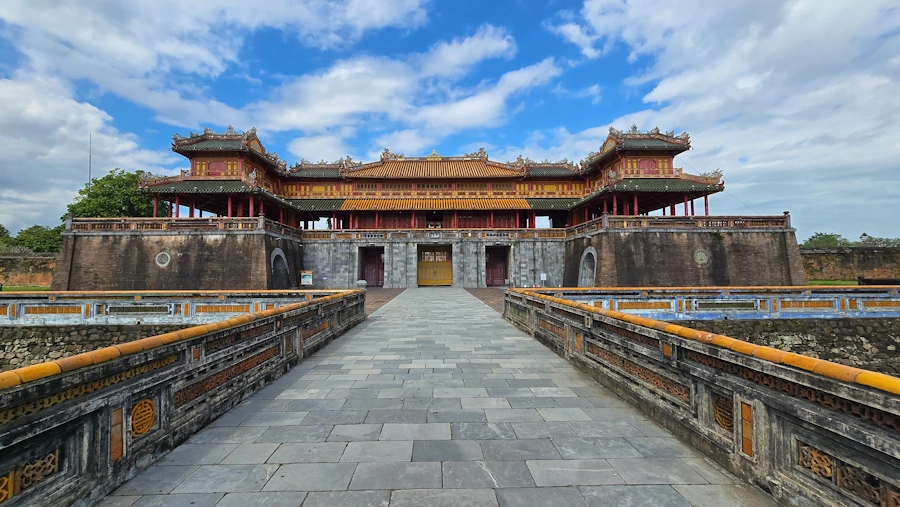
Arrive early to enjoy the Ngo Mon Gate and central courtyards before the busiest hours and strongest midday heat.

LOCATION

Phú Xuân Ward, Huế, Vietnam

Opening hours

Generally 7:30 AM–5:30 PM; seasonal schedules may vary

Entrance Fee

Approximately 200,000 VND per adult; verify current rates

Best Time to Visit

February–April for generally pleasant weather

Duration

2–4 hours; half a day for a more complete visit

Getting There

Taxi, bicycle, or walking from central Huế

What to Bring

Water, sun protection, comfortable shoes

Accessibility

Some paved areas; steps and uneven surfaces in historic sections

THE STORY BEHIND THE LANDMARK

The Story Behind

Huế Imperial City

A Royal Capital for Vietnam's Last Dynasty


When Emperor Gia Long unified Vietnam in 1802, he chose Huế as the capital of his new Nguyễn Dynasty. Construction of the Imperial Citadel began in 1804, transforming the banks of the Perfume River into the political and ceremonial heart of the country.

Inspired by traditional Vietnamese architecture, East Asian imperial planning, and principles of feng shui, the vast fortified complex was designed to reflect the emperor's authority and the harmony between heaven, earth, and humanity.

For nearly a century and a half, Huế witnessed imperial coronations, royal ceremonies, diplomatic receptions, and the daily life of the court. Its palaces and temples became symbols of Vietnam's final imperial era.

The monarchy ended in 1945 when Emperor Bảo Đại abdicated. After suffering severe damage during twentieth-century conflicts, particularly the Battle of Huế in 1968, the complex gradually entered a new chapter of preservation and restoration.

Today, the Imperial City stands as one of Vietnam's most remarkable cultural landmarks and forms a central part of the UNESCO-listed Complex of Huế Monuments.

Tab 1

1802 ~ The Nguyễn Dynasty Begins

King Bhadravarman establishes an early sanctuary dedicated to Shiva, laying the foundations of Mỹ Sơn's religious importance.

Tab 2

1804 ~ Construction of the Citadel

Work begins on the fortified royal capital, with monumental gates, defensive walls, and imperial buildings.

Tab 2

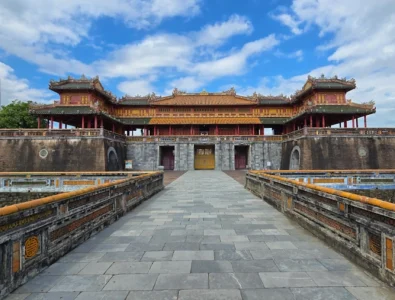
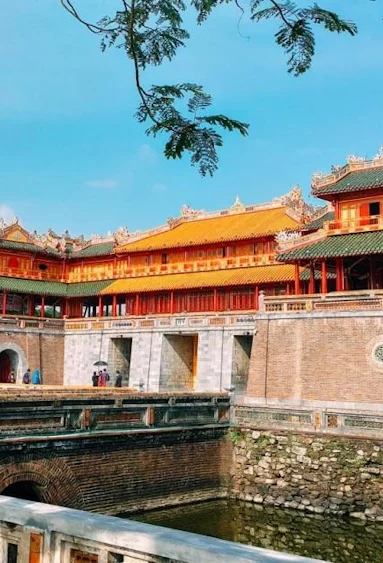
1833 ~ Completion of Ngo Mon Gate

Under Emperor Minh Mạng, the iconic southern entrance to the Imperial City takes its monumental form.

Tab 2

1945 ~ End of Imperial Rule

Emperor Bảo Đại abdicates, bringing the Nguyễn Dynasty and Vietnam's monarchy to an end.

Tab 2

1968 ~ Battle of Huế

Intense fighting during the Tet Offensive causes extensive damage to the historic city and imperial monuments.

Tab 2

1993 ~ UNESCO World Heritage Recognition

The Complex of Huế Monuments is inscribed on the World Heritage List, supporting international preservation efforts.

ARCHITECTURAL TREASURES

ARCHITECTURE & DESIGN

The Art of Imperial Vietnamese Architecture


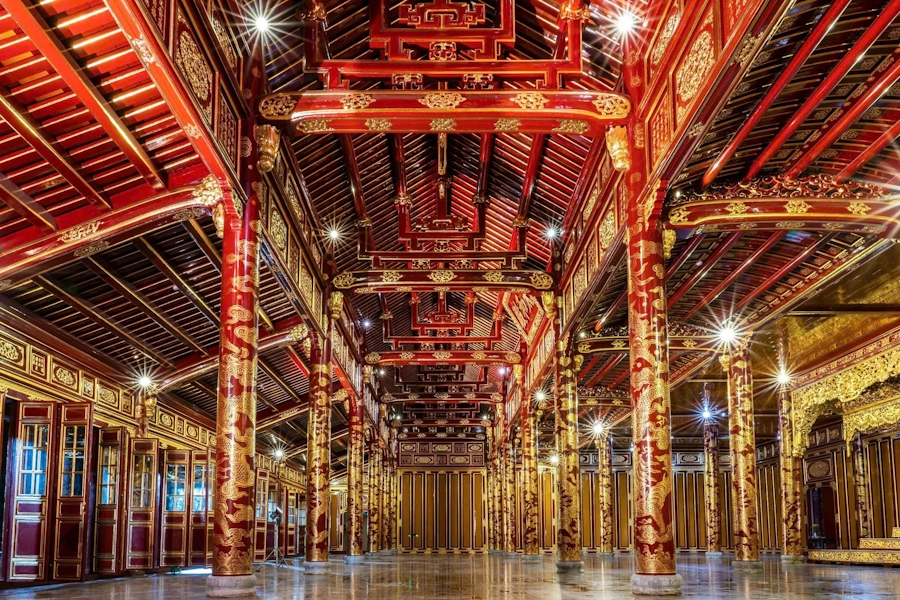
Huế Imperial City is a masterpiece of royal planning, combining monumental fortifications, elegant wooden halls, glazed ceramic roofs, and intricate decorative details.

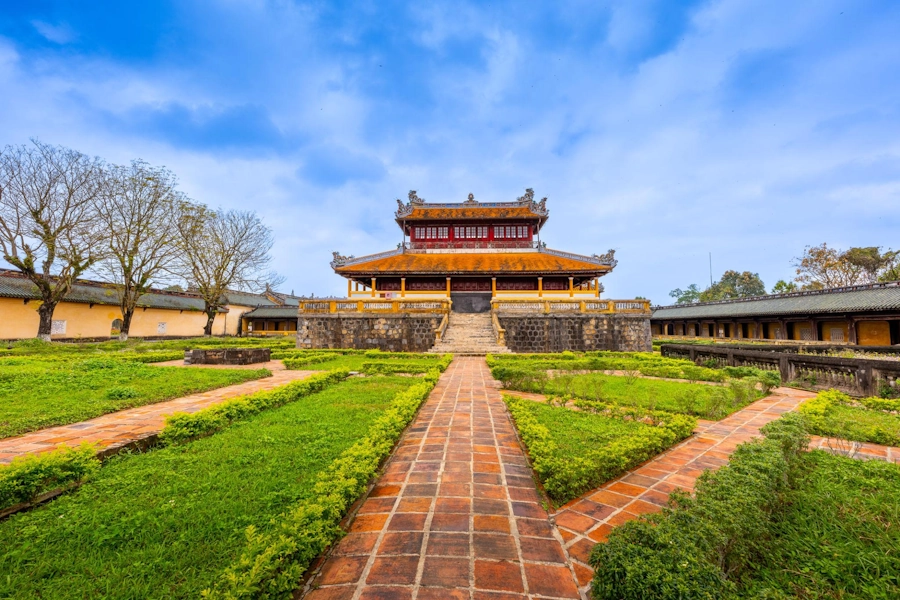
Its architecture follows a carefully organized hierarchy of spaces, from public ceremonial courtyards to the private residence of the imperial family. Every gate, roof, and ornament was designed to express royal power, cultural identity, and cosmic harmony.

Hue Imperial City - Hero picture

Ngo Mon Gate

The monumental southern entrance to the Imperial City, crowned by the elegant Five Phoenix Pavilion where emperors appeared during important ceremonies.

Thái Hòa Palace

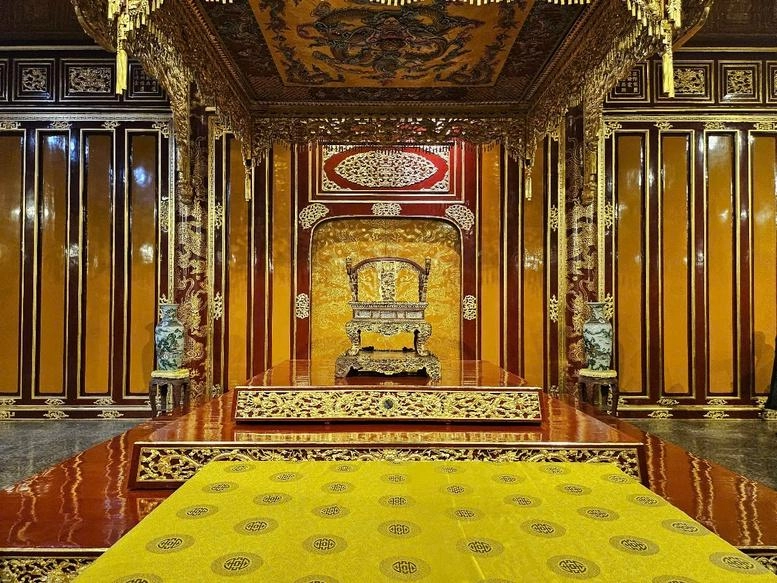
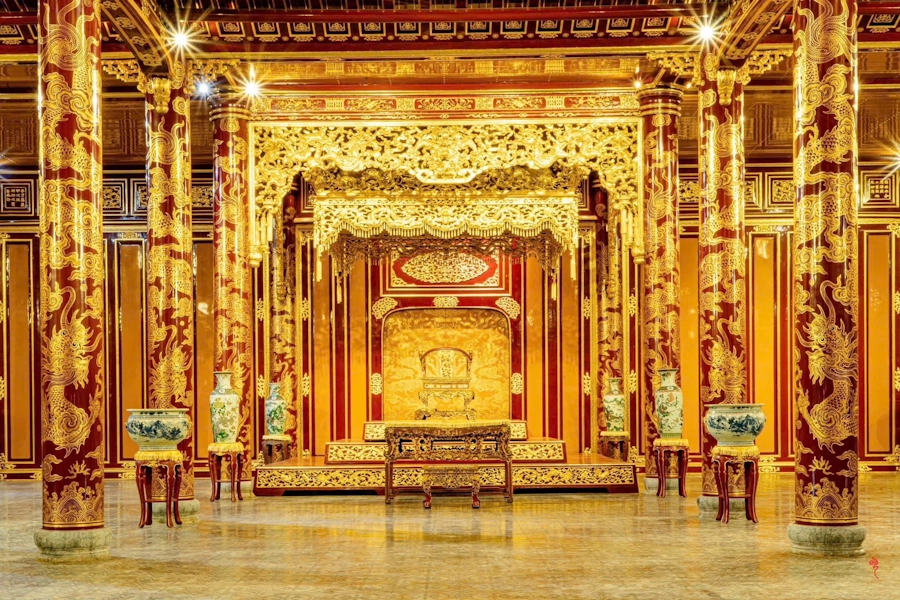
The Palace of Supreme Harmony, an impressive ceremonial hall where emperors held coronations and major court audiences.

The Thế Miếu Temple

A sacred ancestral temple dedicated to Nguyễn emperors, reflecting the dynasty's reverence for its predecessors.

Imperial Decorative Details

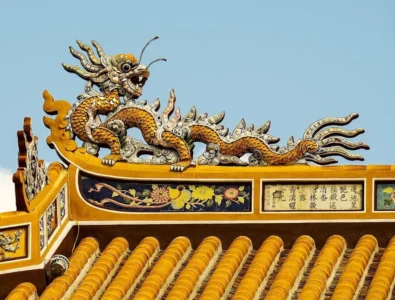
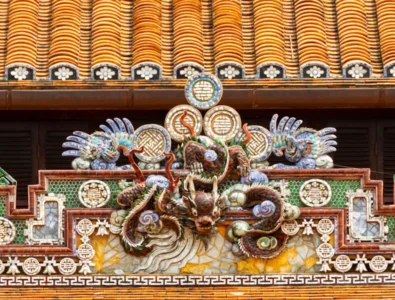
Golden dragons, lacquered columns, glazed roof tiles, and elaborate ceramic mosaics reveal the refinement of Vietnamese royal craftsmanship.

SYMBOLS OF IMPERIAL POWER

Meaning & Symbolism

Where Architecture Reflects Royal Authority


Beyond its beauty, Huế Imperial City is filled with symbolic details. From its carefully aligned gates to the dragons decorating palace rooftops, the complex embodies the Nguyễn emperors' vision of authority, harmony, and continuity.

The Imperial Dragon

Symbolizing sovereign power, the dragon appears throughout the complex in carvings, ceramics, and royal decorations.

The Color Yellow

Associated with imperial authority, yellow was prominently used in royal architecture, clothing, and ceremonial objects.

The Central Axis

The symmetrical arrangement of gates and palaces expresses order, hierarchy, and the emperor's central position.

Harmony with Nature

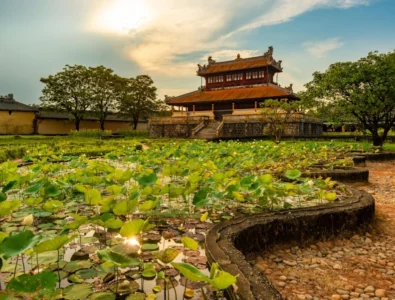
Gardens, water features, and surrounding landscapes reflect the importance of balance and feng shui in imperial planning.

EXPLORE THE IMPERIAL CITY

What to Discover

Discover the Treasures of Vietnam's Royal Past


Walk through monumental gates, admire richly decorated palaces, and uncover the stories hidden within the former imperial capital.

IF YOU VISIT

Experience the Landmark


Experience Huế Like an Emperor

From majestic royal gateways to peaceful palace gardens, Huế Imperial City invites visitors to experience the elegance, traditions, and fascinating history of Vietnam's last dynasty.

STOP 1

WALK THROUGH THE IMPERIAL GATES

Begin at Ngo Mon Gate and follow the ceremonial route once used by emperors, mandarins, and royal processions.

STOP 2

ADMIRE THE ROYAL PALACES

Discover beautifully restored ceremonial halls, ornate wooden architecture, and the craftsmanship of the Nguyễn court.

STOP 3

EXPERIENCE IMPERIAL TRADITIONS

Discover Huế's royal heritage through traditional costumes, cultural exhibitions, and ceremonial performances when available.

STOP 4

CAPTURE THE IMPERIAL ATMOSPHERE

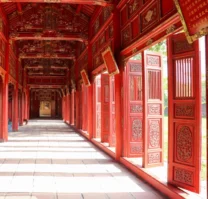
Photograph striking red gates, golden rooftops, quiet courtyards, and intricate details that evoke centuries of royal history.

STOP 5

TASTE HUẾ'S ROYAL CUISINE

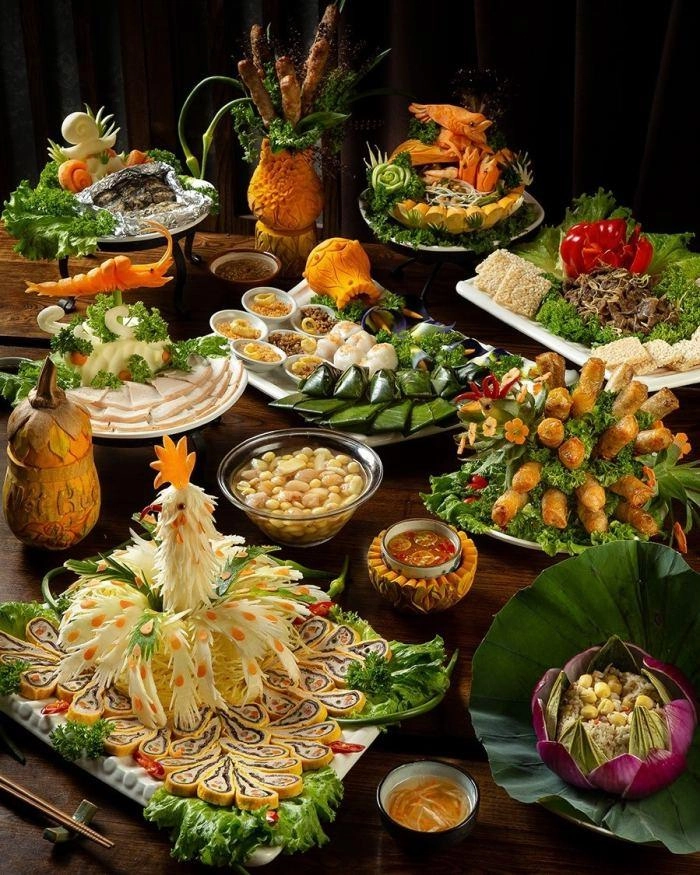
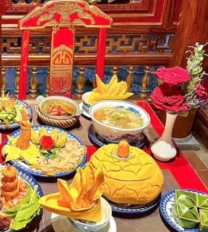
Discover the refined flavors of Huế's imperial kitchens, where dishes were once prepared for emperors. Experience beautifully presented specialties, delicate flavors, and culinary traditions inspired by the Nguyễn Dynasty.

Beyond the Imperial City

Beyond the Landmark

DISCOVER MORE AROUND HUẾ


Extend your journey through Vietnam's former royal capital by discovering magnificent imperial tombs, historic pagodas, and the timeless charm of the Perfume River.

Thủy Tiên Lake Abandoned Water Park

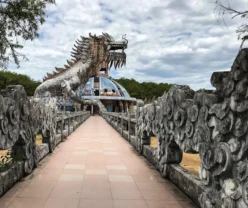
Discover the eerie remains of a former water park, famous for its giant dragon sculpture rising above a lake, once a mysterious attraction for urban explorers.

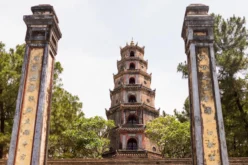
Thiên Mụ Pagoda

Visit Huế's iconic seven-story pagoda overlooking the Perfume River, a symbol of the city's Buddhist heritage.

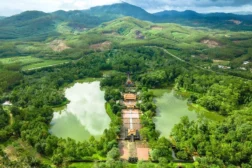
Perfume River

Visit Huế's iconic seven-story pagoda overlooking the Perfume River, a symbol of the city's Buddhist heritage.

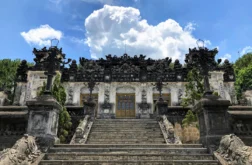
Tomb of Khải Định

Discover a spectacular imperial tomb blending Vietnamese and European architectural influences with intricate mosaic decorations.

Tomb of Minh Mạng

Wander through elegant pavilions, lotus ponds, and landscaped gardens in one of Huế's most harmonious royal tomb complexes.

SECRETS OF THE IMPERIAL CITY

Did You Know?


Behind the majestic walls of Huế Imperial City lie surprising stories, ancient traditions, and extraordinary symbols of imperial power.

The Forbidden Purple City Was Reserved for Royalty

Inspired by the concept of Beijing's Forbidden City, this inner royal enclosure was reserved for the emperor, his family, and authorized palace attendants.

The Imperial City Is Still Being Restored

Many buildings were destroyed or heavily damaged during wars and historical upheavals. Today, conservation and reconstruction projects continue to bring parts of the former royal capital back to life.

The Nine Dynastic Urns Are National Treasures

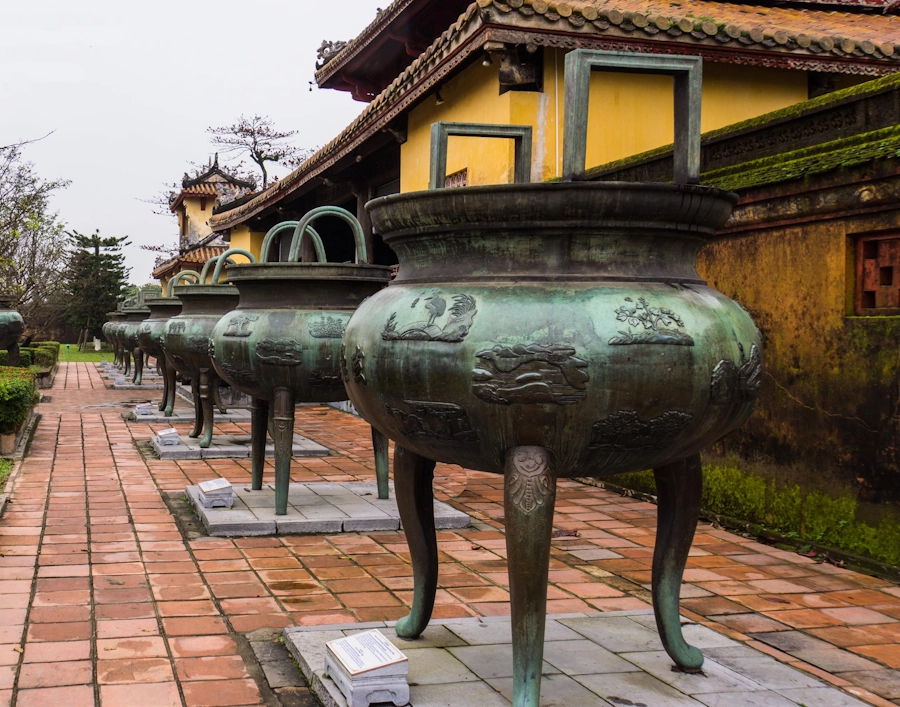
Cast under Emperor Minh Mạng in the 1830s, these monumental bronze urns feature 162 embossed images representing Vietnam's natural and cultural world. Their cast imagery was inscribed on UNESCO's Memory of the World Asia-Pacific Regional Register in 2024.

The Imperial City Was Part of a Much Larger Fortress

The royal complex was protected by several layers of walls and gates, including the outer Citadel, the Imperial City, and the Forbidden Purple City.

Royal Meals Were Works of Art

At the Nguyễn imperial court, food was more than nourishment. Elaborate banquets featured carefully selected ingredients, intricate vegetable carvings, and beautifully arranged dishes, reflecting the sophistication and prestige of royal dining.

The Citadel Was Designed with Feng Shui in Mind

Huế's Imperial Citadel was carefully positioned according to ancient feng shui principles. The Perfume River flows in front of it, while Ngự Bình Mountain serves as a protective natural screen, symbolizing harmony, prosperity, and imperial power.

SHARE YOUR JOURNEY

CHANGE THE WAY WE ENJOY

#HUEIMPERIALCITY

×
×

お買い物カゴ