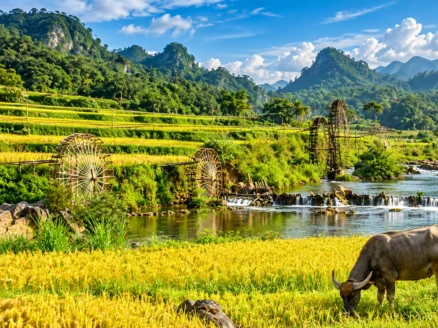
Tràng An Landscape Complex is a vast cultural and natural landscape in Ninh Bình Province, northern Vietnam, characterized by forested limestone towers, flooded valleys, caves, waterways, temples, and rice fields. Inscribed as a UNESCO World Heritage Site in 2014, it is notable for combining exceptional karst geology with evidence of more than 30,000 years of human activity.
Tràng An is Vietnam's only UNESCO property classified as both cultural and natural heritage. UNESCO recognizes its spectacular tropical tower-karst scenery, geological record, and archaeological evidence showing how humans adapted to major environmental and sea-level changes over tens of thousands of years; the protected property covers 6,226 hectares, with a 6,026-hectare buffer zone.
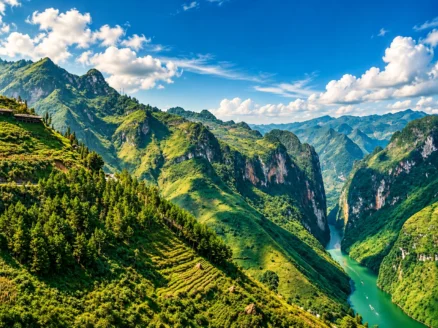
The defining scenery consists of steep, forest-covered limestone towers rising as much as about 200 meters, enclosing tranquil basins and waterways. An intricate network of caves and underground passages connects many of these valleys, creating a landscape that is experienced unusually well from water rather than from roads or trails.
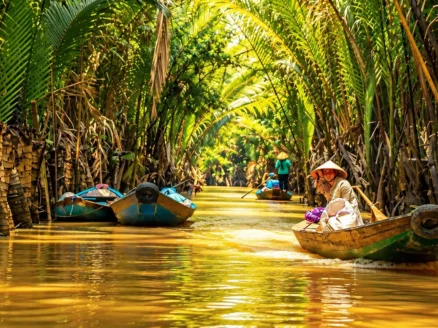
The signature experience is a small, hand-rowed boat journey through calm waterways, beneath towering cliffs and through low limestone caves, with stops around historic or sacred sites. The main pier can be busy, but the waterways farther inside the massif provide the serene, enclosed scenery for which Tràng An is best known.
Caves throughout Tràng An preserve archaeological evidence spanning more than 30,000 years, documenting hunter-gatherers and later communities adapting as climate and sea levels transformed the landscape. The World Heritage property also encompasses Hoa Lư, Vietnam's ancient capital during the 10th and 11th centuries, linking its geological landscape to a much later chapter of Vietnamese political and religious history.