


A JOURNEY THROUGH TIME
The Story of
Ninh Bình
From Ancient Seas to Vietnam's First Imperial Capital
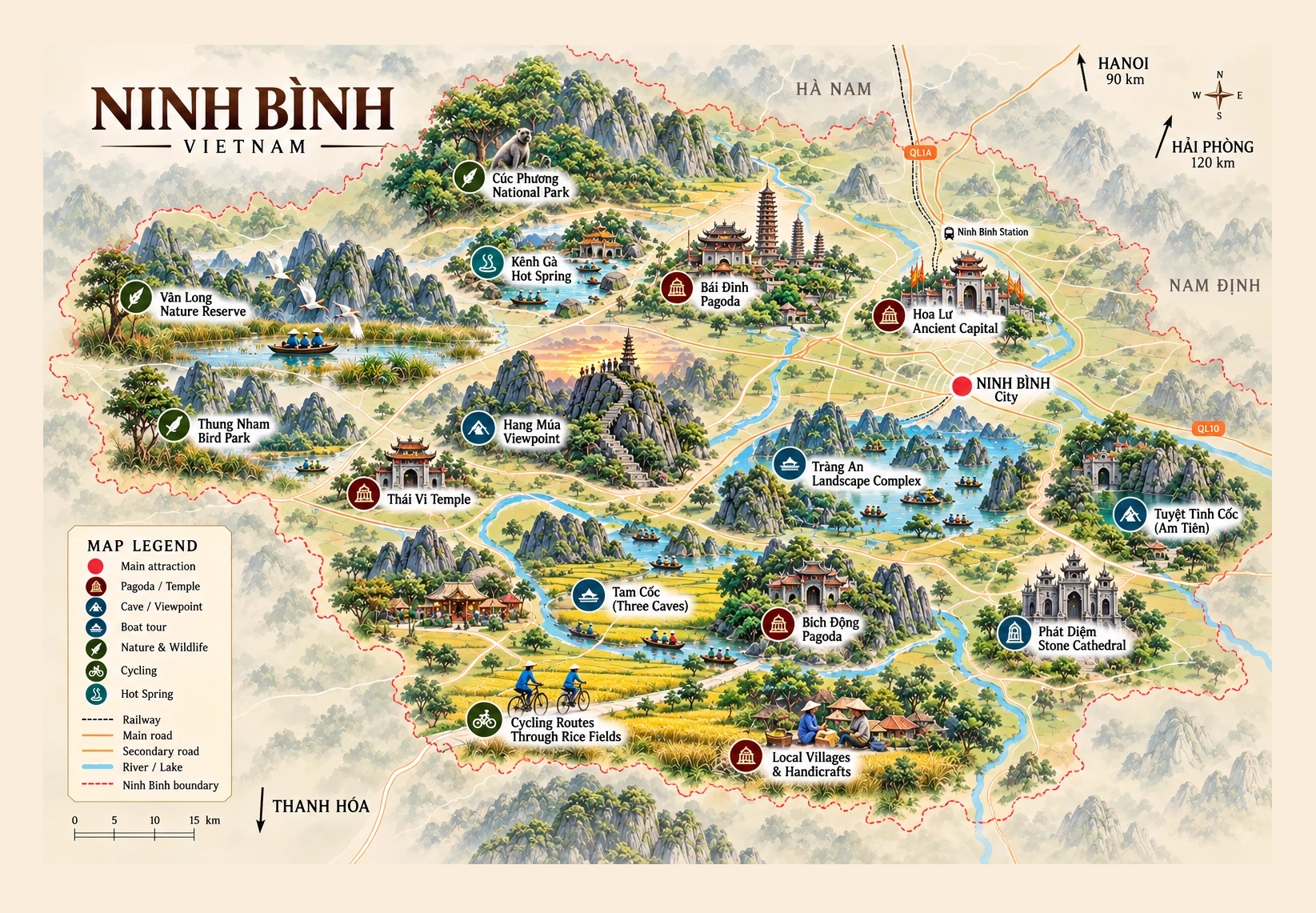
Long before travelers came to admire its landscapes, Ninh Bình was shaped by millions of years of geological transformation. Ancient limestone formations, sculpted by water and time, gradually became the dramatic mountains, caves, and valleys visible today.
But Ninh Bình's significance extends far beyond its natural beauty.
Why Was Hoa Lư Chosen as a Capital?
Towering limestone mountains provided natural protection, while winding rivers supported trade, transportation, and military movements, creating a strategic stronghold for Vietnam’s newly unified kingdom.
The Birthplace of an Independent Kingdom
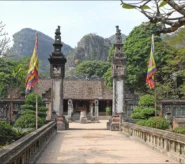
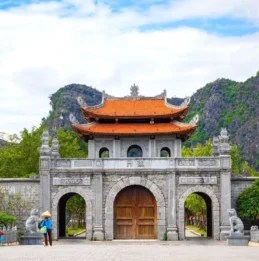
In 968, Đinh Bộ Lĩnh unified the country after a period of political division and established Hoa Lư as the capital of Đại Cồ Việt. Protected by formidable limestone mountains, the city became the political heart of an emerging independent Vietnamese state.
Hoa Lư remained the capital under the Đinh and Early Lê dynasties until 1010, when Lý Thái Tổ moved the capital to Thăng Long, today's Hanoi.

A Landscape That Preserves Human History
Archaeological discoveries in Tràng An reveal evidence of prehistoric human occupation spanning tens of thousands of years. Caves and rock shelters preserve traces of communities that adapted to changing climates, water levels, and environments.

Where Traditions Still Shape Everyday Life
Beyond the famous monuments, farming, religious festivals, traditional crafts, and village customs continue to shape local identity. Rice cultivation, embroidery, and stone carving connect the region's present with its past.