Heritage and Landmark

Discover Mỹ Sơn Sanctuary

Where sacred towers tell the story of Champa

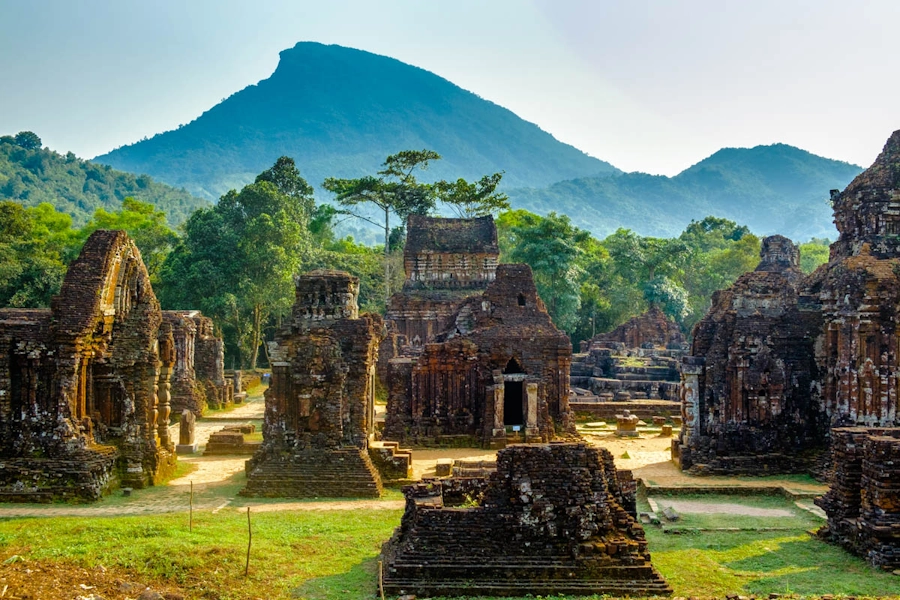
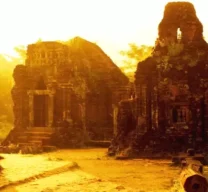
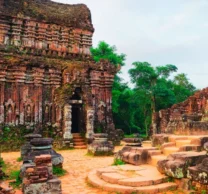
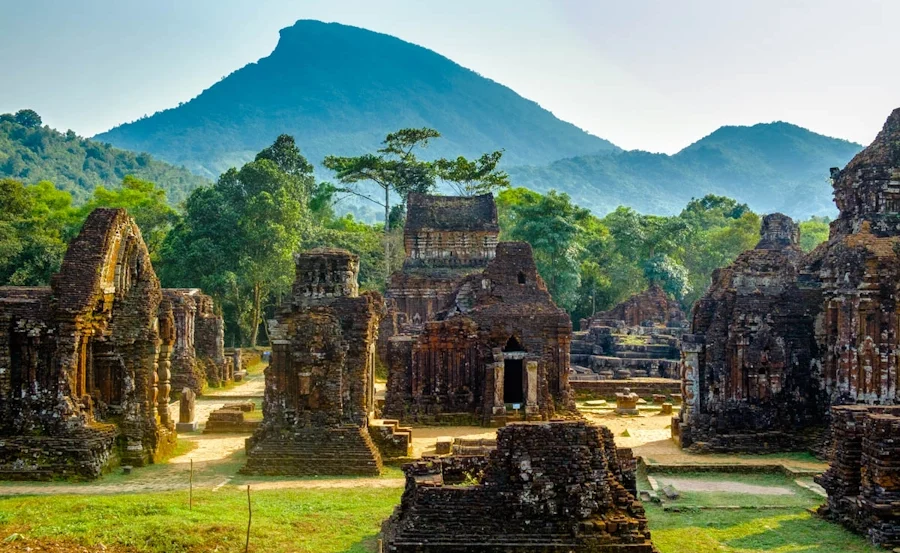
Sheltered in a lush mountain valley, Mỹ Sơn’s red-brick temples reveal the artistry and spiritual world of the Champa kingdom. Carved deities, ancient inscriptions and weathered towers offer a glimpse of centuries of devotion—a remarkable heritage woven into central Vietnam’s landscape.

CHAM ARCHITECTURE

SACRED STORIES

VOICES OF THE PAST

FORESTED VALLEY

PLAN YOUR VISIT

Practical Info for your trip

THE STORY

The land and its past

WHAT TO SEE

Things to do

EXPLORE AROUND

Beyond the Landmark

AT A GLANCE

ESSENTIAL FACTS


Everything you need to know before planning your visit.

Duy Xuyên, Đà Nẵng

LOCATION

LATE 4th CENTURY CE

ORIGINS

Champa Kingdom

CIVILIZATION

2-3 HOURS

VISIT DURATION

HUI

RELIGION

SINCE 1999

UNESCO WORLD HERITAGE

PRACTICAL TRAVEL GUIDE

Plan Your Visit


Plan your journey to Mỹ Sơn Sanctuary with these essential travel tips.

LOCATION

Duy Xuyên, approximately 40 km southwest of Hội An

Opening hours

Generally 6:00 AM–5:00 PM, subject to change

Entrance Fee

Approximately 150,000 VND for international adults; verify before visiting

Best Time to Visit

Early morning, especially February–April

Duration

2–3 hours

Getting There

Private car, organized tour, or motorbike

What to Bring

Comfortable shoes, water, sun protection, and a camera

Accessibility

Shuttle transport covers part of the site; some archaeological paths are uneven

A JOURNEY THROUGH HISTORY

The Story Behind

ミーソン聖域

A Sacred Valley of Kings and Gods


For nearly a thousand years, Mỹ Sơn was one of the most important religious centers of the Champa Kingdom, a maritime civilization that flourished along the coast of Central Vietnam.

Its sacred history began in the late 4th century, when King Bhadravarman established a sanctuary dedicated to Shiva, one of Hinduism's principal deities. Successive Cham rulers expanded the complex, building temples to honor their gods, commemorate royal ancestors, and reinforce their spiritual authority.

Although the sanctuary suffered destruction through centuries of conflict and the passage of time, its surviving monuments remain a powerful testament to Cham civilization.

Rediscovered and studied by French archaeologists around the turn of the 20th century, Mỹ Sơn gained international recognition when UNESCO inscribed it as a World Heritage Site in 1999.

Today, the ruins preserve the memory of a kingdom whose artistic and spiritual influence extended far beyond Vietnam.

Tab 1

Late 4th Century ~ The Sacred Beginning

King Bhadravarman establishes an early sanctuary dedicated to Shiva, laying the foundations of Mỹ Sơn's religious importance.

Tab 2

7th–10th Centuries ~ The Golden Age

Cham rulers construct and expand magnificent temple complexes, transforming Mỹ Sơn into a major center of Hindu worship and royal ceremonies.

Tab 2

11th–13th Centuries ~ The Final Great Temples

New monuments and architectural additions reflect the continued religious significance of the sanctuary.

Tab 2

20th Century ~ Rediscovery and Destruction

Archaeological studies bring Mỹ Sơn international attention, but warfare, particularly bombing in 1969, causes devastating damage to several monuments.

Tab 2

1999–Today ~ World Heritage and Preservation

UNESCO recognizes Mỹ Sơn as a World Heritage Site. International conservation projects continue to protect and restore its surviving monuments.
ANCIENT CRAFTSMANSHIP

ARCHITECTURE & DESIGN

The Art of Cham Temple Architecture


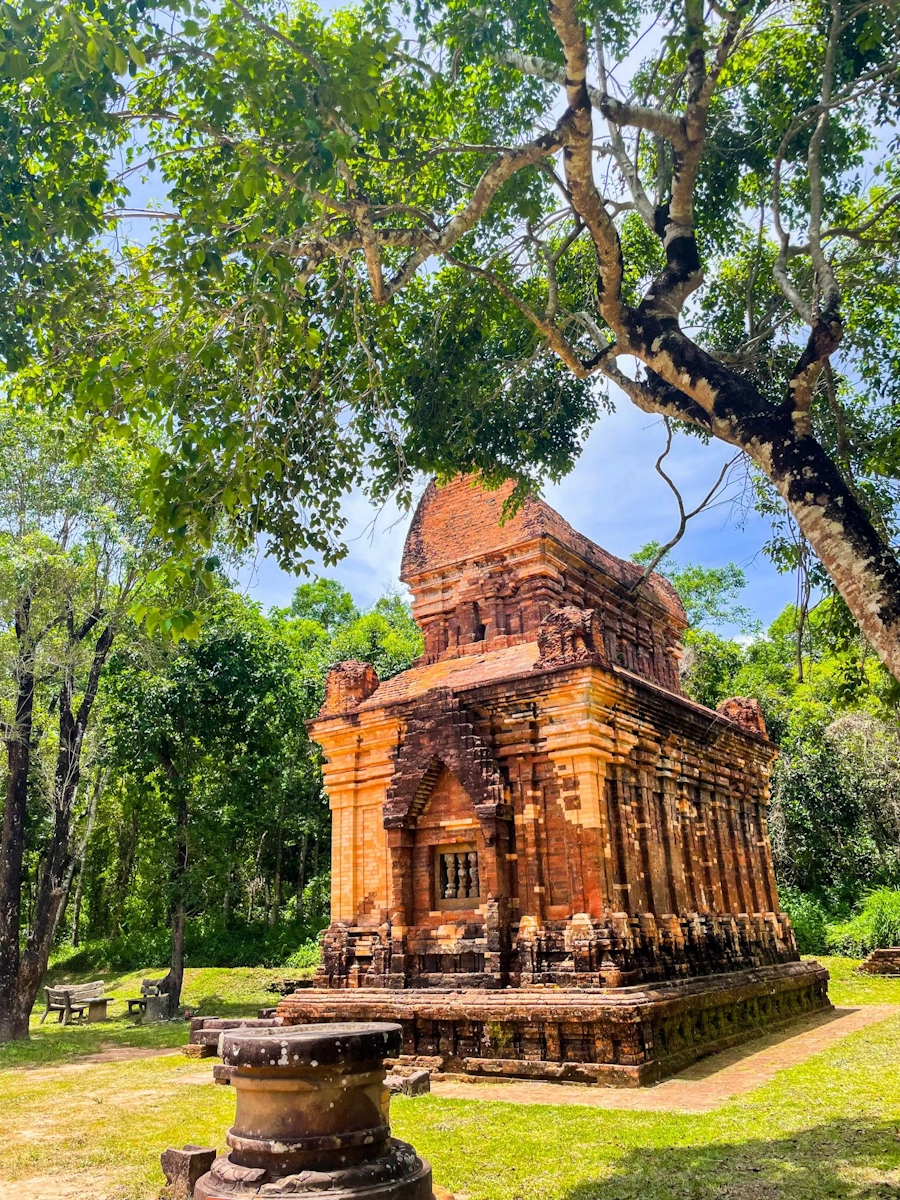
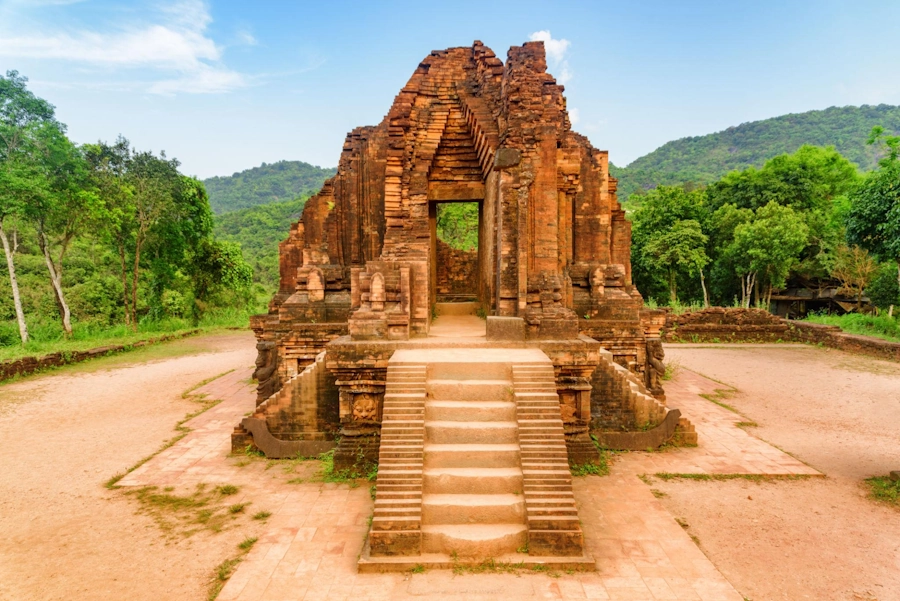
Mỹ Sơn's distinctive architecture combines red-brick construction, intricate sandstone carvings, and sacred Hindu symbolism. Its temples were designed as earthly residences for the gods, connecting the human world with the divine.

Mysterious Brickwork

Cham builders constructed temples with remarkably tight-fitting bricks and thin joints. The exact construction techniques and bonding materials remain subjects of research.

Sacred Temple Towers

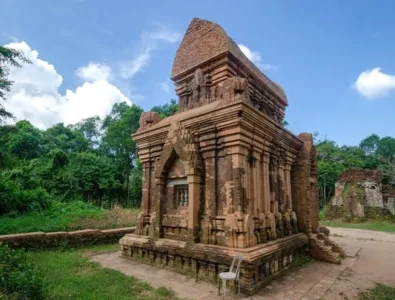
The main sanctuaries, known as kalan, often feature tall, tapering towers symbolizing Mount Meru, the sacred mountain at the center of Hindu cosmology.

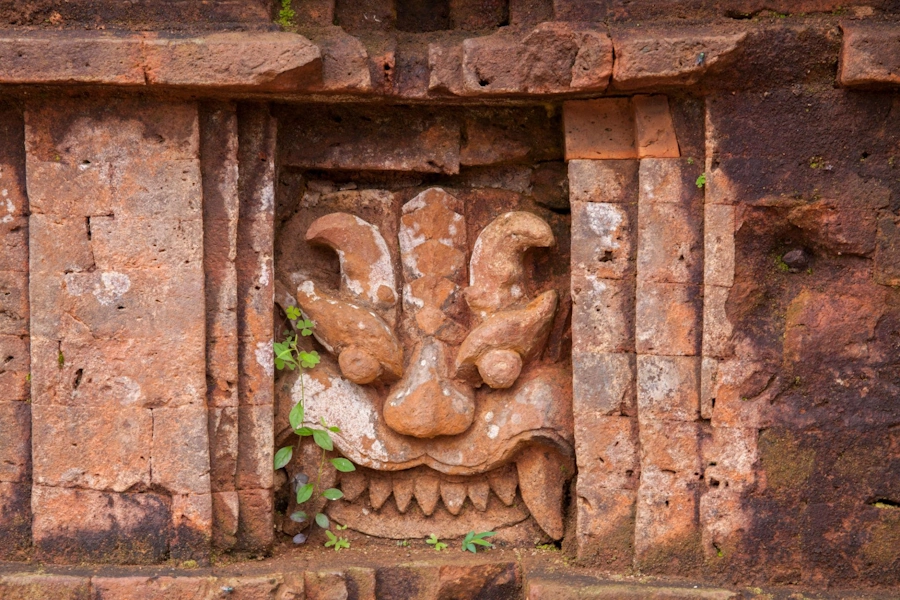
Intricate Stone Carvings

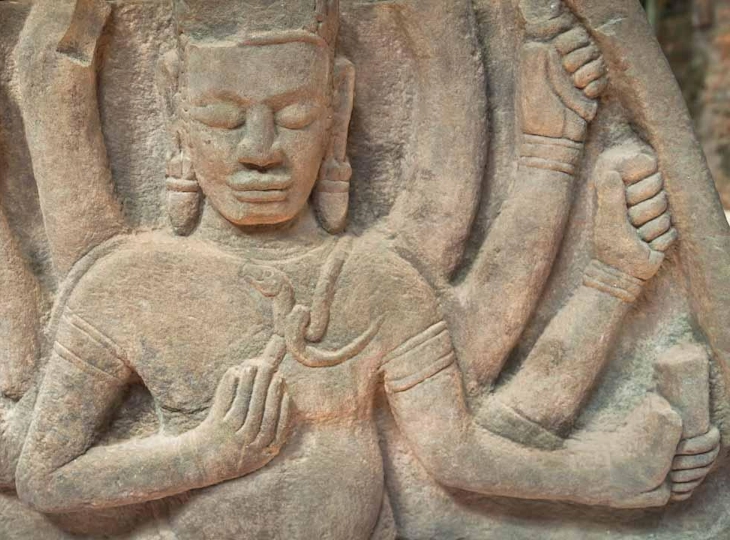
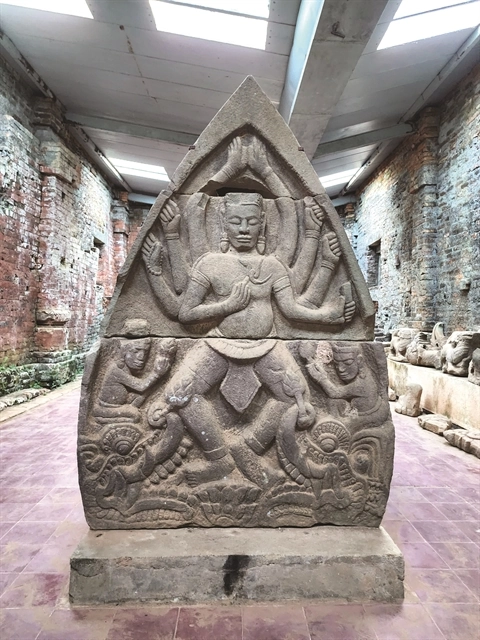
Sandstone sculptures depict Hindu deities, mythical creatures, dancers, and decorative patterns, revealing the sophistication of Cham artistic traditions.

Harmony with Nature

Nestled within a mountain basin, the sanctuary's secluded setting reinforced its sacred character and its symbolic connection with the natural world.

CULTURE, LEGENDS & BELIEFS

Meaning & Symbolism

Where the Divine Meets the Earth


Mỹ Sơn was more than a collection of temples. It represented the spiritual relationship between Cham kings, Hindu deities, and the natural world.

Shiva – The Supreme Deity

Many temples were dedicated to Shiva, associated with transformation, destruction, and regeneration. Worship of Shiva was closely linked to the legitimacy and sacred authority of Cham rulers.

The Sacred Linga and Yoni

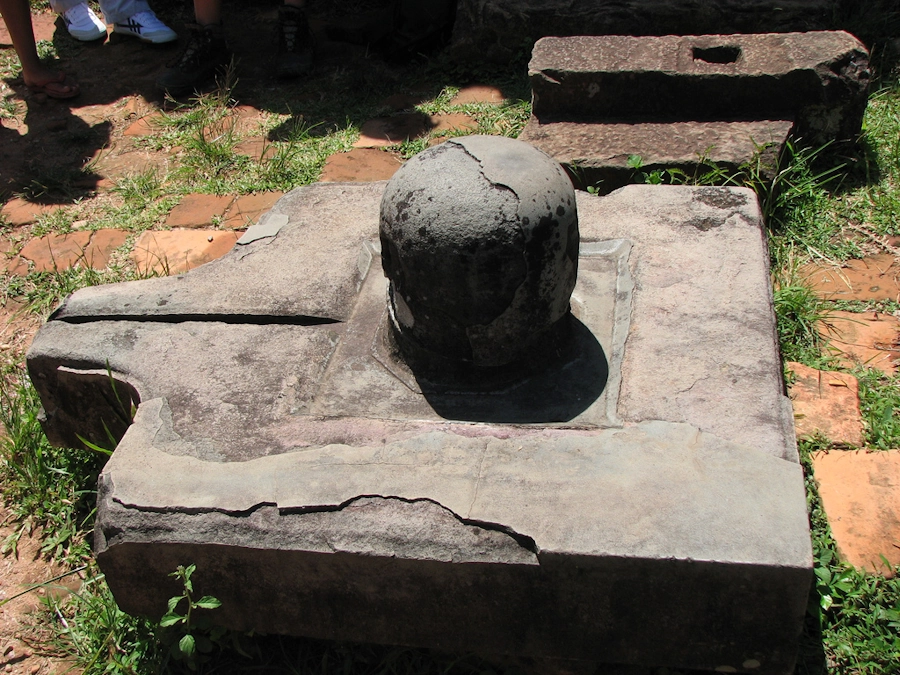
Stone representations of the linga and yoni symbolized Shiva and the creative power of the universe. These objects occupied central positions within important sanctuaries.

Mount Meru – The Cosmic Mountain

The vertical forms of Cham temple towers evoke Mount Meru, believed in Hindu cosmology to connect the earthly and divine realms.

The Sacred Landscape

The surrounding mountains and valley formed an essential part of Mỹ Sơn's religious significance, creating a secluded environment for worship and royal ceremonies.

EXPLORE THE HIGHLIGHTS

What to Discover


Explore the remarkable remains of the Champa Kingdom, from centuries-old temple towers to intricate carvings and sacred archaeological treasures.

LITTLE STORIES

Experience the Landmark


Experience the Magic of Mỹ Sơn

Step into the ancient world of Champa and discover a place where history, spirituality, and nature create an unforgettable atmosphere.

STOP 1

Arrive Early in the Morning

Explore the sanctuary in the cooler morning hours, when soft sunlight illuminates the red-brick towers and the valley feels especially peaceful.

STOP 2

Wander Through Ancient Temples

Follow the archaeological paths between temple groups, discovering centuries-old structures, hidden carvings, and fascinating architectural details.

STOP 3

Discover Cham Cultural Traditions

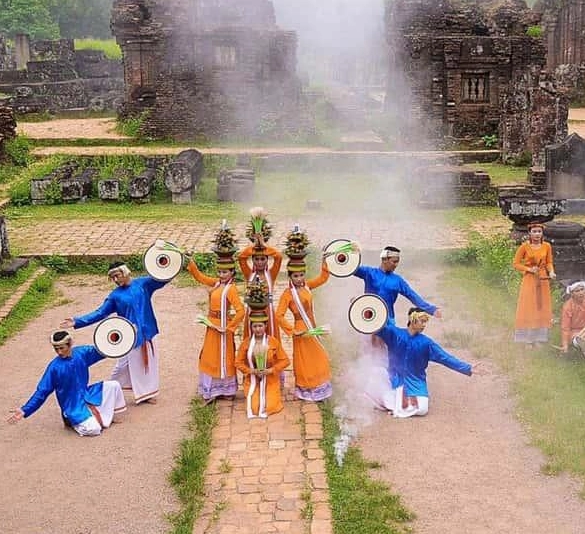
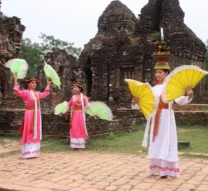
Attend a traditional performance, when available, to experience the music, dances, and artistic heritage of the Cham people.

STOP 4

Capture the Timeless Atmosphere

Photograph the ancient brick towers against lush green mountains, where the contrast between architecture and nature creates remarkable compositions.

NEARBY PLACES TO EXPLORE

Beyond the Landmark

Discover More Around Mỹ Sơn


Extend your journey beyond the sanctuary and explore Central Vietnam's traditional villages, ancient trading ports, and living cultural heritage.

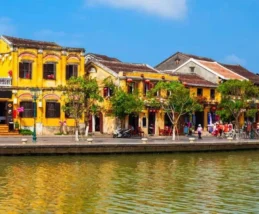
Hội An Ancient Town

Wander through lantern-lit streets, historic merchant houses, and charming riverside neighborhoods in this beautifully preserved UNESCO World Heritage town.

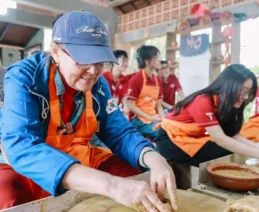
Thanh Hà Pottery Village

Discover traditional Vietnamese pottery craftsmanship, meet local artisans, and learn how generations have preserved this centuries-old craft.

Trà Kiệu

Explore the area of an important ancient Cham political center, once associated with the kingdom's capital and its remarkable cultural legacy.

Da Nang Museum of Cham Sculpture

Admire one of the world's most important collections of Cham art, including sandstone sculptures and religious artifacts recovered from ancient temple sites.

SHARE YOUR JOURNEY

CHANGE THE WAY WE ENJOY

#MYSONSANCTUARY

×
×

お買い物カゴ