
A JOURNEY THROUGH HISTORY
The Story Behind
Mỹ Sơn Sanctuary
A Sacred Valley of Kings and Gods
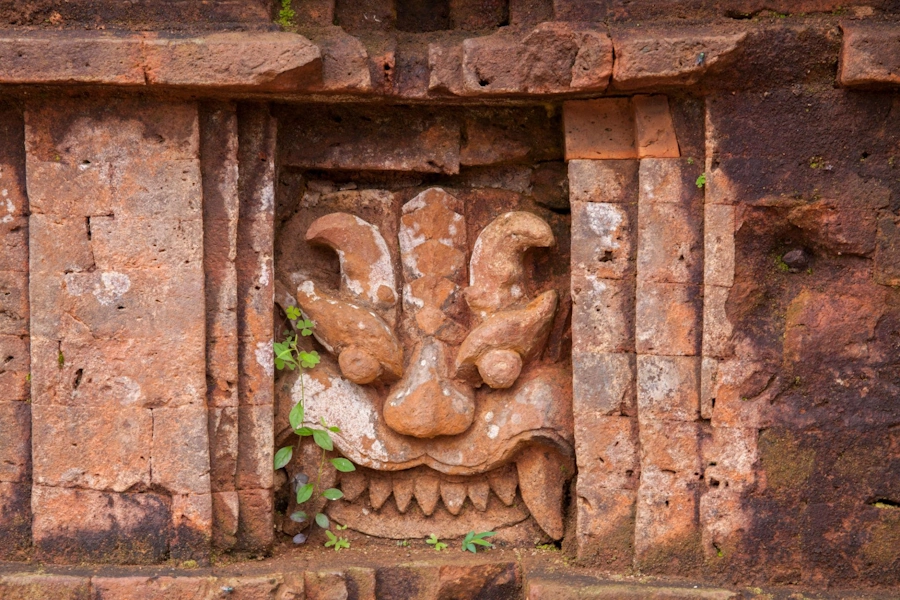
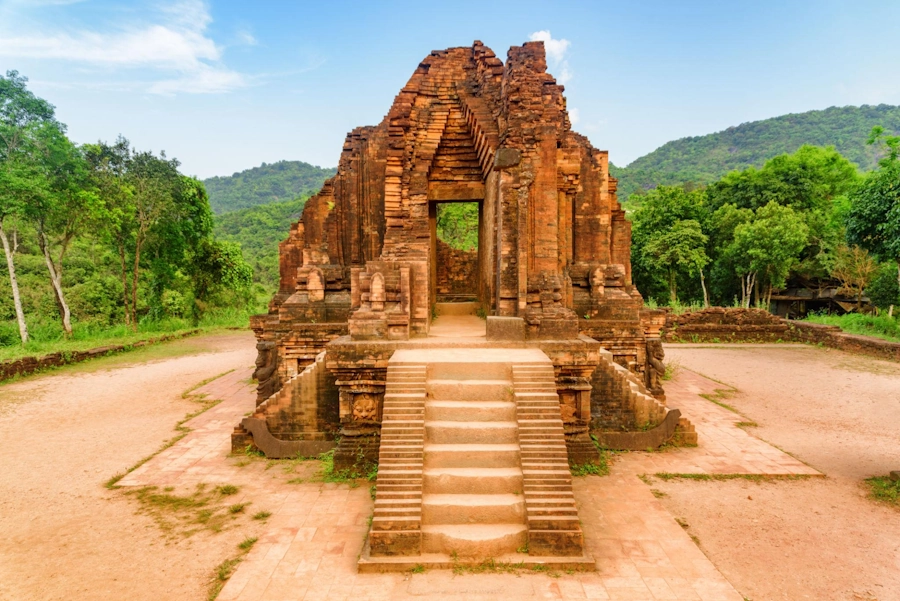
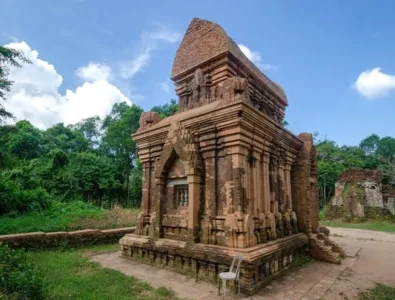
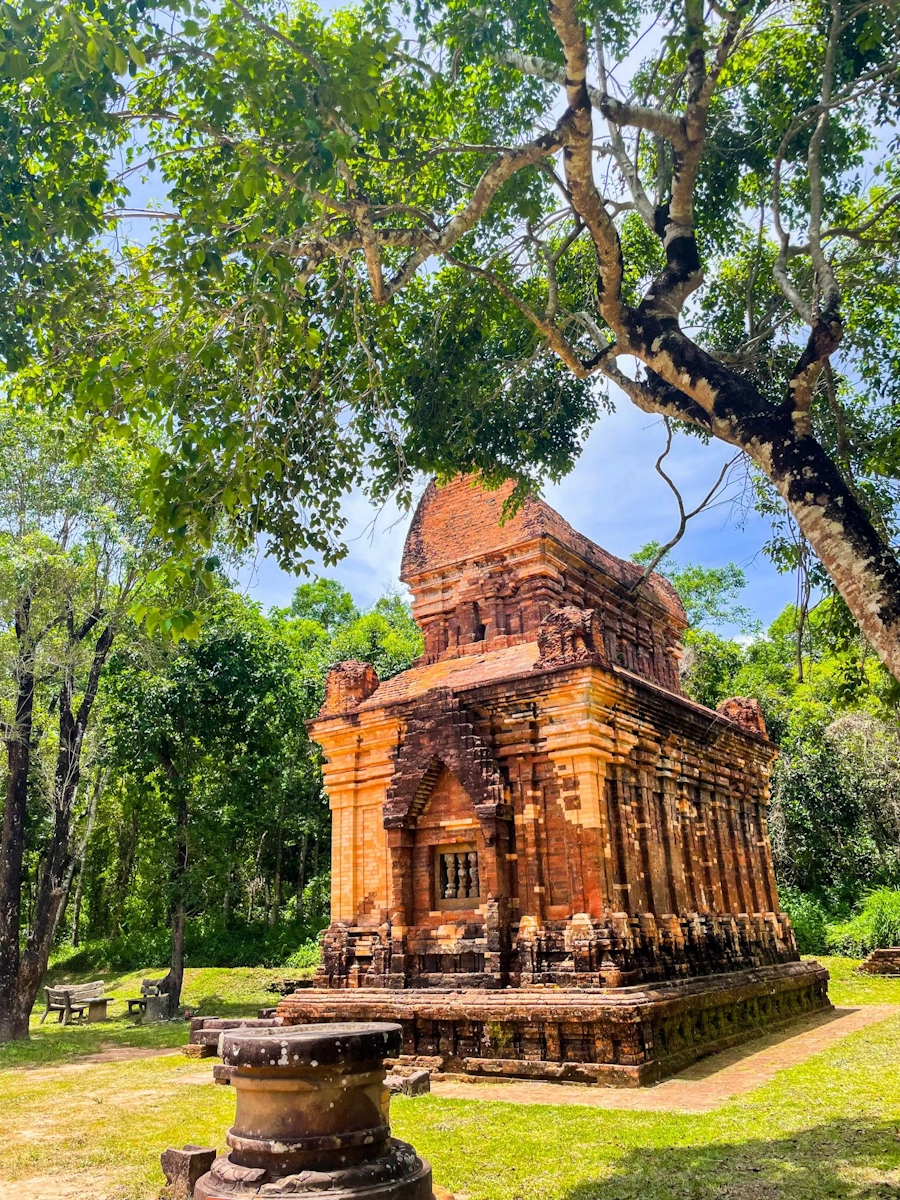
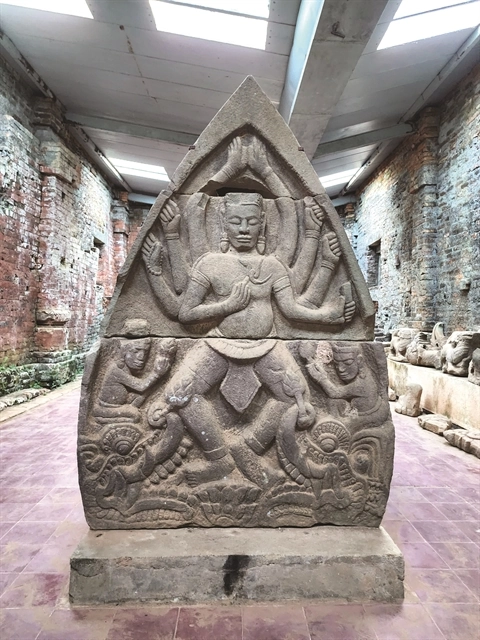
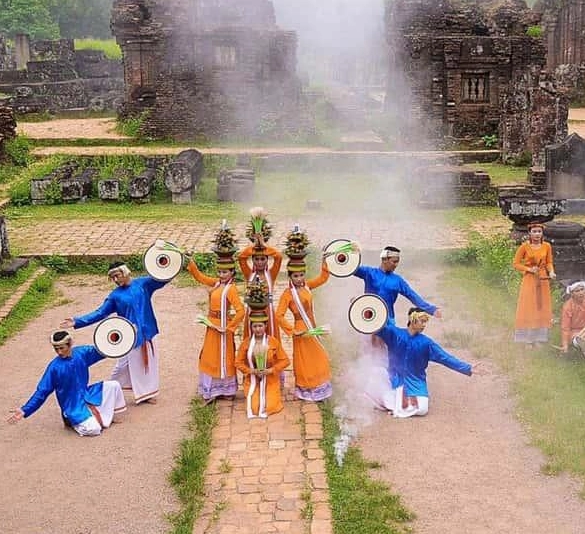
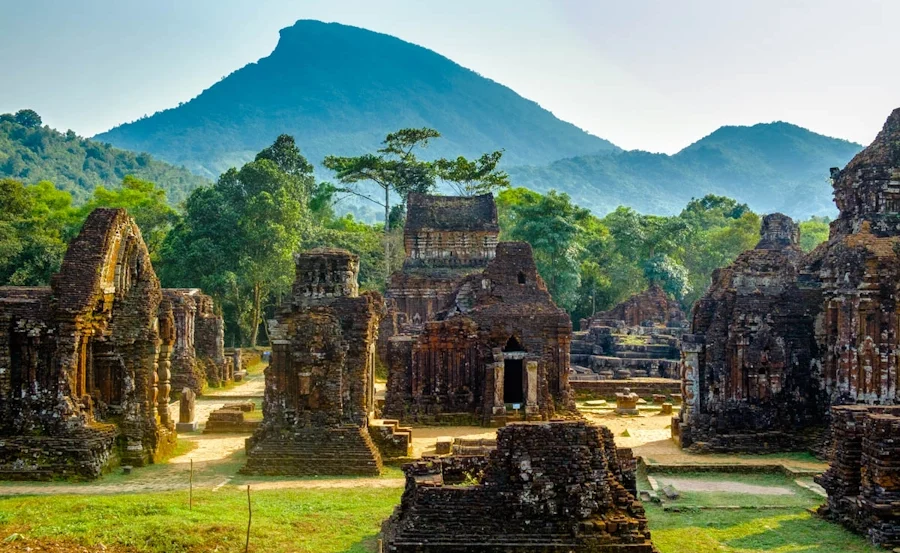
For nearly a thousand years, Mỹ Sơn was one of the most important religious centers of the Champa Kingdom, a maritime civilization that flourished along the coast of Central Vietnam.
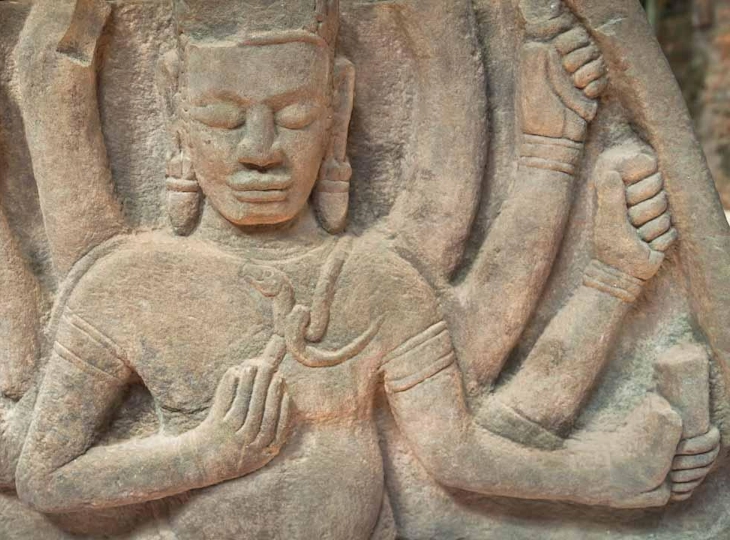
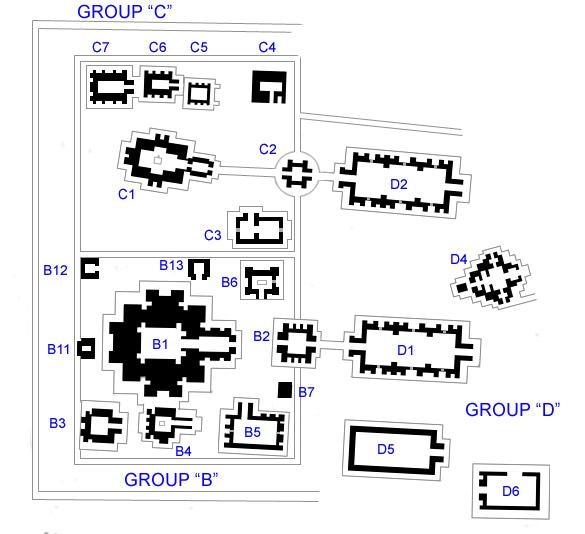
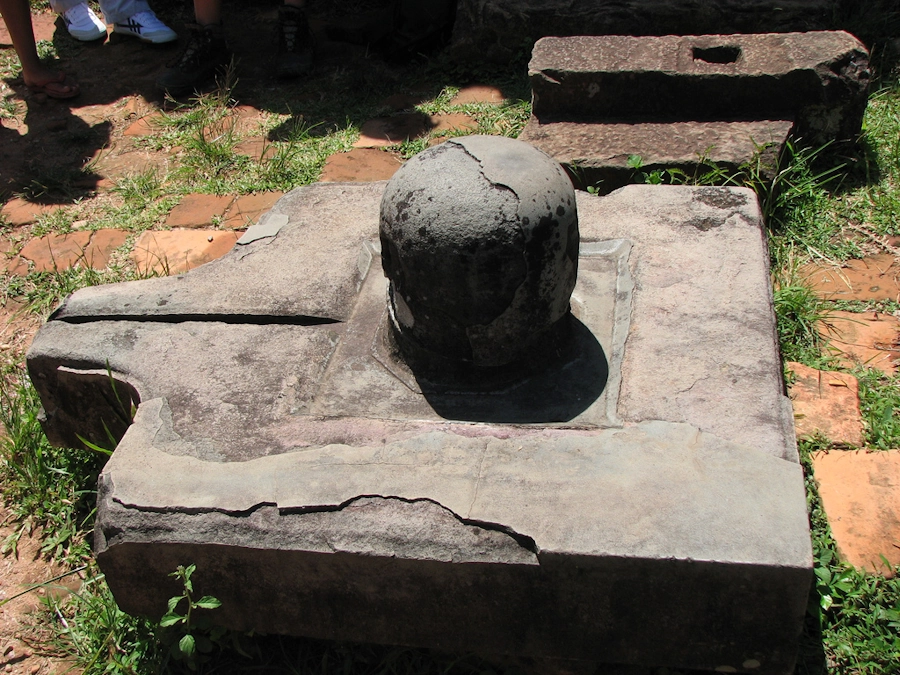
Its sacred history began in the late 4th century, when King Bhadravarman established a sanctuary dedicated to Shiva, one of Hinduism's principal deities. Successive Cham rulers expanded the complex, building temples to honor their gods, commemorate royal ancestors, and reinforce their spiritual authority.
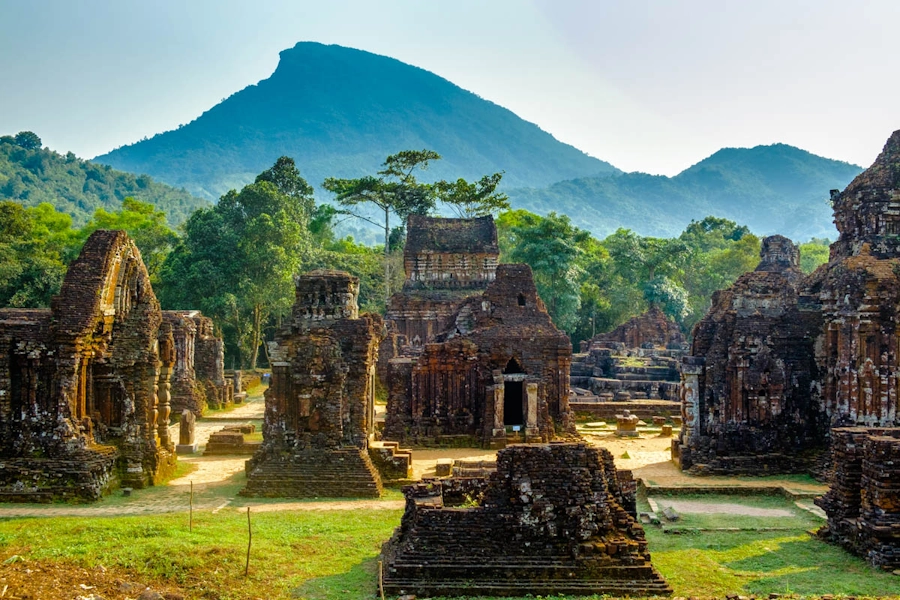
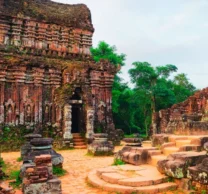
Although the sanctuary suffered destruction through centuries of conflict and the passage of time, its surviving monuments remain a powerful testament to Cham civilization.
Rediscovered and studied by French archaeologists around the turn of the 20th century, Mỹ Sơn gained international recognition when UNESCO inscribed it as a World Heritage Site in 1999.
Today, the ruins preserve the memory of a kingdom whose artistic and spiritual influence extended far beyond Vietnam.
Late 4th Century ~ The Sacred Beginning
King Bhadravarman establishes an early sanctuary dedicated to Shiva, laying the foundations of Mỹ Sơn's religious importance.
7th–10th Centuries ~ The Golden Age
Cham rulers construct and expand magnificent temple complexes, transforming Mỹ Sơn into a major center of Hindu worship and royal ceremonies.
11th–13th Centuries ~ The Final Great Temples
New monuments and architectural additions reflect the continued religious significance of the sanctuary.
20th Century ~ Rediscovery and Destruction
Archaeological studies bring Mỹ Sơn international attention, but warfare, particularly bombing in 1969, causes devastating damage to several monuments.
1999–Today ~ World Heritage and Preservation
UNESCO recognizes Mỹ Sơn as a World Heritage Site. International conservation projects continue to protect and restore its surviving monuments.