History & Origins
The Story Behind THE
TURTLE TOWER
From a Colonial-Era Monument to a Timeless Hanoi Symbol
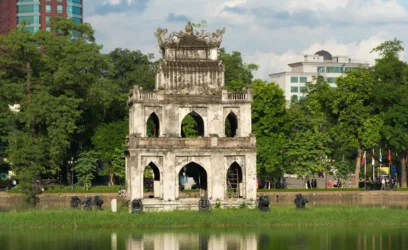
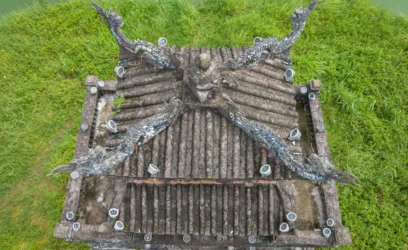
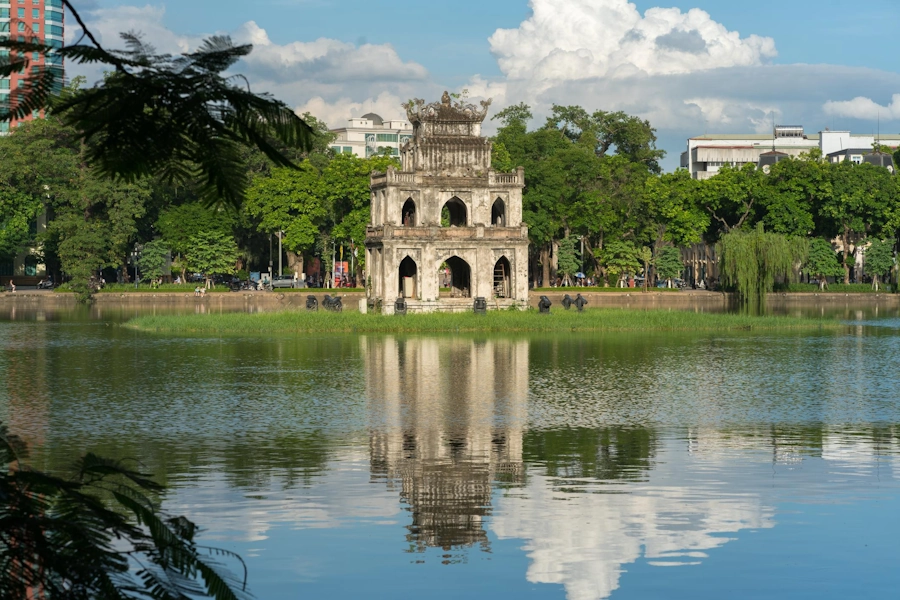
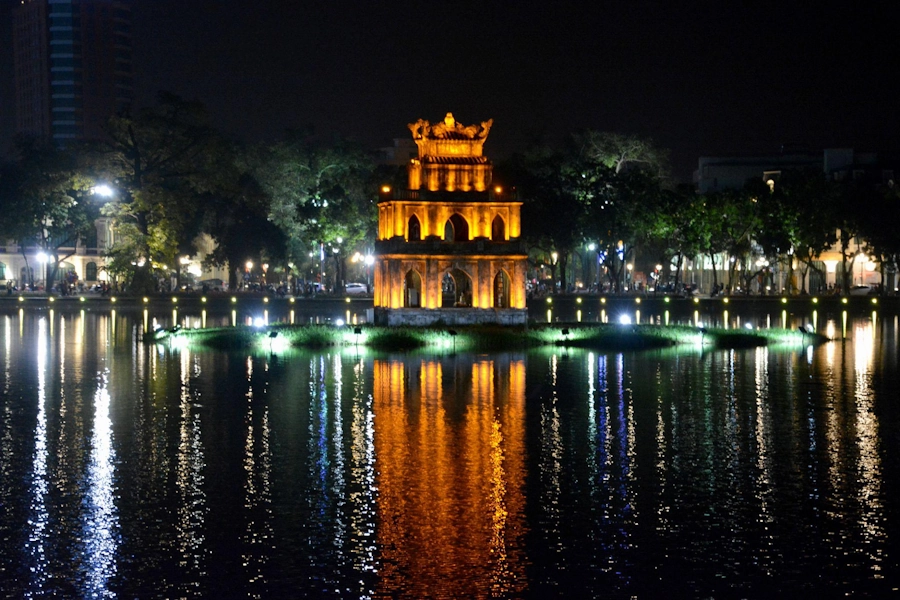
Although Turtle Tower looks much older, the structure standing today dates from the late 19th century, during the early French colonial period. Its story reveals an unexpected connection between personal ambition, political change, and the preservation of Hanoi's identity.
The tower is commonly associated with Nguyễn Ngọc Kim, also known as Bá Kim, a local figure who reportedly sought to build a monument on the island as a burial place for his father. Accounts differ on the details of this controversial project, but the resulting structure became a permanent feature of the lake.
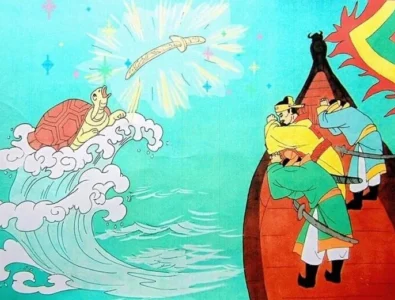
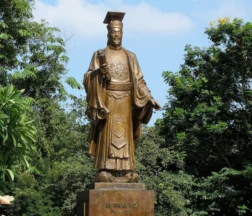
Over time, the tower's original circumstances faded from public memory. Instead, its connection to the legendary Golden Turtle and Emperor Lê Lợi gave it a much deeper significance in the hearts of Hanoians.
Today, the Imperial City stands as one of Vietnam's most remarkable cultural landmarks and forms a central part of the UNESCO-listed Complex of Huế Monuments.
15th Century~ The Rise of Lê Lợi
Lê Lợi leads the resistance against Ming rule and establishes the Later Lê Dynasty in 1428.
15th Century ~ The Sword Returns
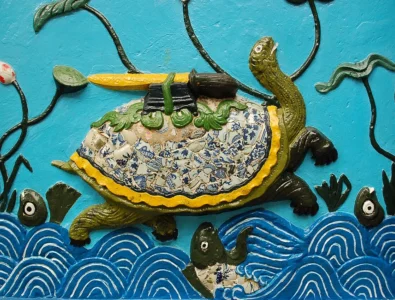
According to tradition, the victorious king returns a magical sword to a divine turtle in the lake.
Around 1886 ~ A Tower Is Built
The present Turtle Tower takes shape on the small island during the French colonial period.
20th Century ~ A National Emblem
The tower becomes a familiar image in photographs, paintings, postcards, and representations of Hanoi.
TODAY ~ A Living Landmark
Preserved within the historic lake landscape, the tower remains a beloved symbol of the capital.