Heritage and Landmark

Turtle Tower – Hanoi

A Timeless Symbol in the Heart of Hanoi

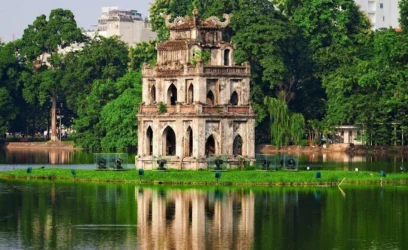
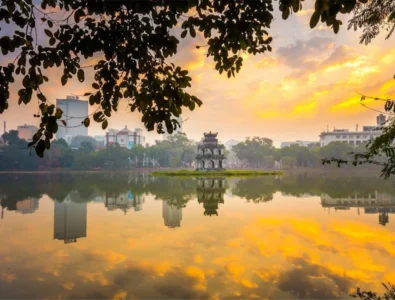
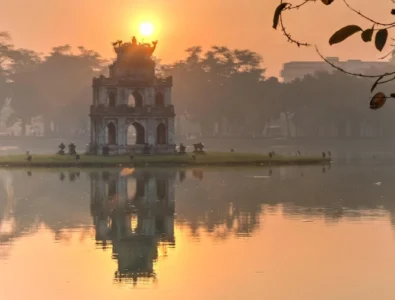
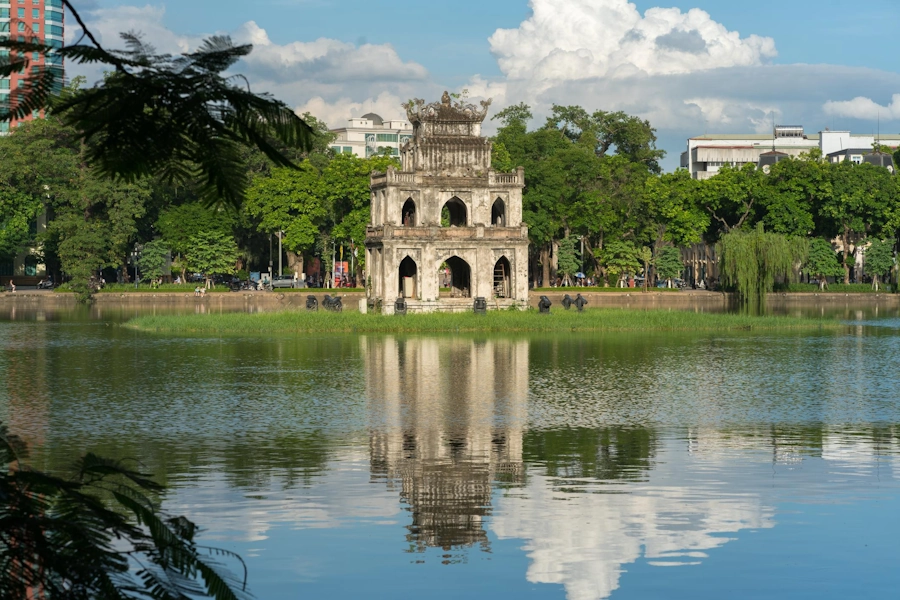
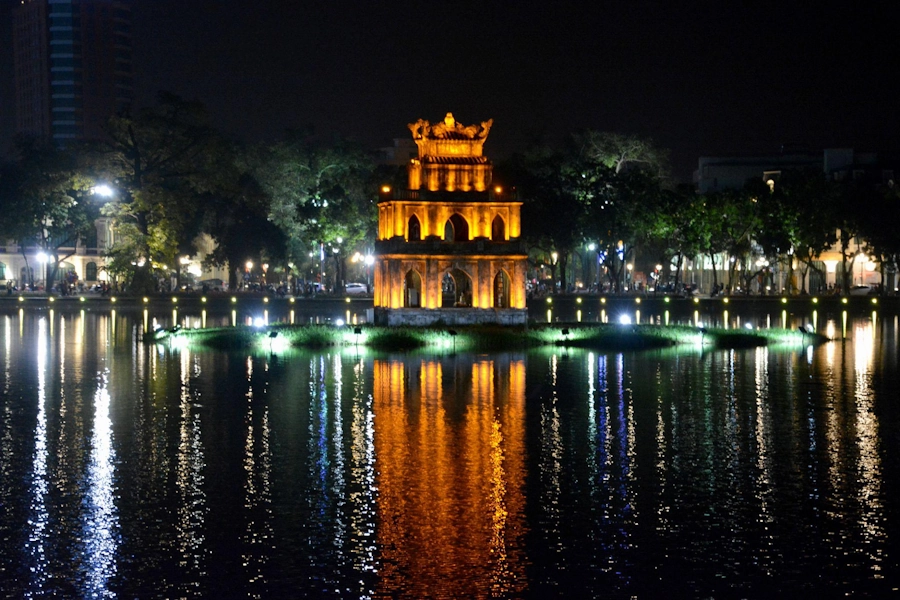
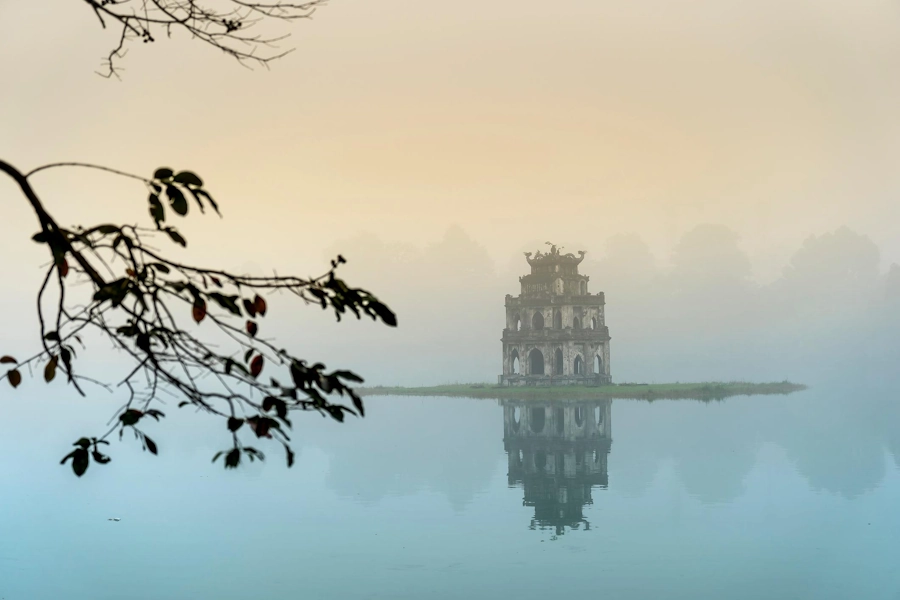
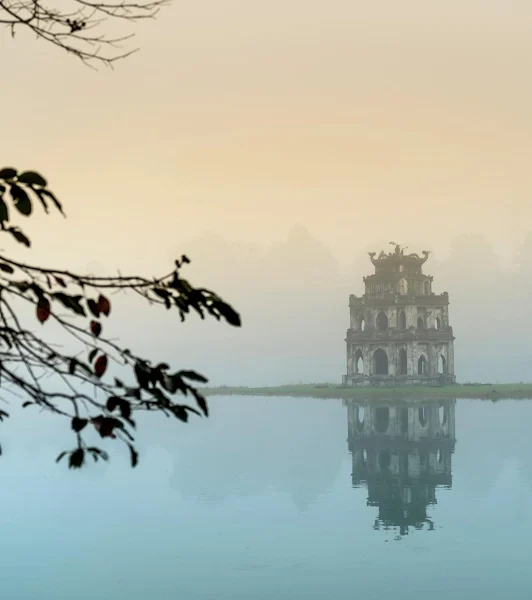
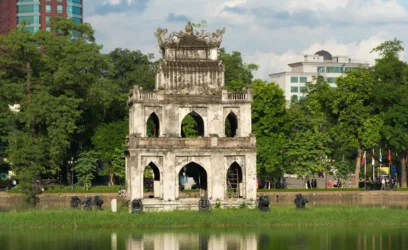
Rising gracefully from the tranquil waters of Hoàn Kiếm Lake, Turtle Tower stands as one of Hanoi's most cherished landmarks. Steeped in the legend of the Returned Sword, this 19th-century monument embodies the capital's rich history, cultural identity and enduring traditions, offering a peaceful glimpse into the soul of Vietnam's ancient capital.

HANOI LANDMARK

19TH CENTURY

HOÀN KIẾM LAKE

LAKESIDE SCENERY

PLAN YOUR VISIT

Practical Info for your trip

THE STORY

The land and its past

WHAT TO SEE

Things to do

EXPLORE AROUND

Beyond the Landmark

AT A GLANCE

ESSENTIAL FACTS


Everything you need to know about Hanoi's iconic lakeside tower.

Tháp Rùa

OFFICIAL NAME

AROUND 1886

CONSTRUCTION

Hoàn Kiếm Lake, HANOI

LOCATION

FREE TO VIEW

ENTRANCE FEE

Vietnamese-European eclectic

ARCHITECTURE

Memorial and symbolic

PURPOSE

A timeless landmark at the center of Hanoi

Plan Your Visit


Turtle Tower is best enjoyed as part of a leisurely walk around Hoàn Kiếm Lake. With its peaceful waters, shaded pathways, and lively surroundings, the area offers a refreshing escape from the busy streets of the Old Quarter.

VISITOR TIP

Arrive early to enjoy the Ngo Mon Gate and central courtyards before the busiest hours and strongest midday heat.

LOCATION

Small island in Hoàn Kiếm Lake

Opening hours

Visible from public lakeside areas throughout the day

Entrance Fee

Free

Best Time to Visit

6:00–8:00 AM or late afternoon

Duration

15–30 minutes for the tower; 45–60 minutes for a lakeside stroll

Getting There

Walk from Hanoi Old Quarter or take a taxi to Hoàn Kiếm Lake

PHOTOGRAPHY

Best from the western and southern shores, depending on the light

Accessibility

Lakeside paths are mostly flat, although some sections can be crowded

History & Origins

The Story Behind THE

TURTLE TOWER

From a Colonial-Era Monument to a Timeless Hanoi Symbol


Although Turtle Tower looks much older, the structure standing today dates from the late 19th century, during the early French colonial period. Its story reveals an unexpected connection between personal ambition, political change, and the preservation of Hanoi's identity.

The tower is commonly associated with Nguyễn Ngọc Kim, also known as Bá Kim, a local figure who reportedly sought to build a monument on the island as a burial place for his father. Accounts differ on the details of this controversial project, but the resulting structure became a permanent feature of the lake.

Over time, the tower's original circumstances faded from public memory. Instead, its connection to the legendary Golden Turtle and Emperor Lê Lợi gave it a much deeper significance in the hearts of Hanoians.

Today, the Imperial City stands as one of Vietnam's most remarkable cultural landmarks and forms a central part of the UNESCO-listed Complex of Huế Monuments.

Tab 1

15th Century~ The Rise of Lê Lợi

Lê Lợi leads the resistance against Ming rule and establishes the Later Lê Dynasty in 1428.

Tab 2

15th Century ~ The Sword Returns

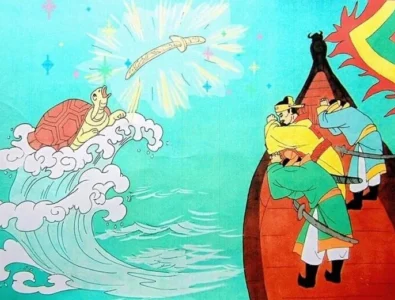
According to tradition, the victorious king returns a magical sword to a divine turtle in the lake.

Tab 2

Around 1886 ~ A Tower Is Built

The present Turtle Tower takes shape on the small island during the French colonial period.

Tab 2

20th Century ~ A National Emblem

The tower becomes a familiar image in photographs, paintings, postcards, and representations of Hanoi.

Tab 2

TODAY ~ A Living Landmark

Preserved within the historic lake landscape, the tower remains a beloved symbol of the capital.
A Curious Blend of East and West

ARCHITECTURE & DESIGN

A MINIATURE MONUMENT WITH DISTINCTIVE CHARACTER


Unlike Hanoi's grand temples and elaborate pagodas, Turtle Tower is surprisingly modest. Its compact proportions and restrained decoration create a delicate silhouette that appears almost suspended above the water.

The building combines elements of traditional Vietnamese architecture with European-inspired features, reflecting the cultural influences of its construction period.

Arched Openings

Repeated rounded arches give the façades a distinctive rhythm, revealing European influence in the tower's design.

Layered Roofline

The stepped upper structure and traditional roof details create a recognizable profile against the sky.

Stone Island Foundation

The building rises from a small rocky mound, creating the impression of a tiny fortress emerging from the lake.

Compact Symmetry

Its rectangular plan, stacked levels, and repeated openings give the small monument a surprisingly monumental presence.

The Legend of the Returned Sword

Meaning & Symbolism

WHERE MYTHOLOGY MEETS VIETNAMESE IDENTITY


The true magic of Turtle Tower lies not in its stones, but in the extraordinary story surrounding the lake. For generations, the legend of a divine turtle and a magical sword has represented courage, independence, and

The Magical Sword

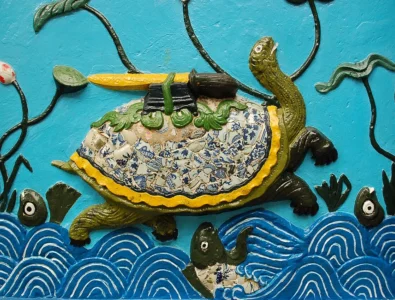
Legend tells of Lê Lợi receiving a divine sword that helped him defeat foreign invaders and restore independence.

The Golden Turtle

The divine turtle, Kim Quy, appears to reclaim the sword once its mission is complete, symbolizing wisdom and heavenly authority.

The Lake's Name

Hoàn Kiếm means "Returned Sword," commemorating the legendary moment when the weapon was given back to the turtle.

A Symbol of Peace

The return of the sword represents the end of warfare and the beginning of peaceful rule, a powerful message in Vietnamese history.

LOOK BEYOND THE POSTCARD

What to Discover

Five Details That Make Turtle Tower Special


At first glance, Turtle Tower seems like a simple monument in the middle of a lake. Look a little closer, and you'll discover fascinating details that reveal its unique character.

MAKE THE MOST OF YOUR VISIT

Experience the Landmark


Four Ways to Enjoy Hanoi's Most Famous Lake

Turtle Tower is not a monument you enter, but a landmark you experience through its surroundings. Here are four memorable ways to enjoy its atmosphere.

STOP 1

Walk the Lakeside Promenade

Follow the shaded paths around the water, stopping at different viewpoints to admire the tower framed by trees and historic buildings.

STOP 2

Discover Hanoi MORNING ROUTINE at Sunrise

Join the early-morning atmosphere as residents gather for exercise, conversation, and quiet moments beside the lake.

STOP 3

Capture the Golden Hour

Return in the late afternoon when warm sunlight illuminates the tower and the surrounding scenery takes on a softer glow.

STOP 4

Enjoy the Weekend Walking Streets

On weekends, the surrounding roads become a lively pedestrian space filled with music, games, performances, and families enjoying the evening.

DISCOVER HANOI'S HISTORIC HEART

Beyond the Landmark

Explore More Around Hoàn Kiếm Lake


Just a short walk from Turtle Tower, discover ancient temples, colonial architecture, traditional performances, and atmospheric streets that reveal the many faces of Hanoi.

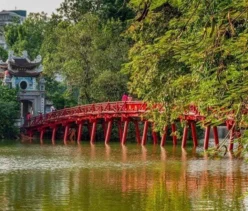
Ngọc Sơn Temple & Thê Húc Bridge

Cross the iconic red bridge to a historic island temple dedicated to celebrated figures of Vietnamese history. Inside, discover traditional altars and a remarkable preserved giant turtle.

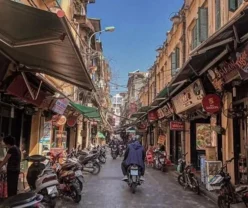
Hanoi Old Quarter

Wander through a maze of lively streets where traditional trades, street-food stalls, family-run shops, and centuries-old houses capture Hanoi's irresistible energy.

Tràng Tiền Street

Take a stroll along this elegant avenue, known for its colonial-era buildings, cultural venues, and the famous Tràng Tiền ice cream beloved by generations of Hanoians.

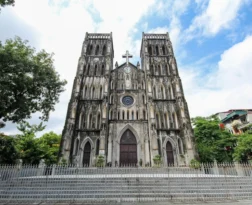
St. Joseph's Cathedral

Admire the striking neo-Gothic façade of this 19th-century cathedral, surrounded by charming cafés and bustling streets that reflect Hanoi's French colonial heritage.

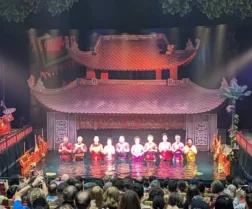
Thăng Long Water Puppet Theatre

Experience a traditional Vietnamese art form where colorful wooden puppets perform folk tales on water, accompanied by live music and captivating storytelling.

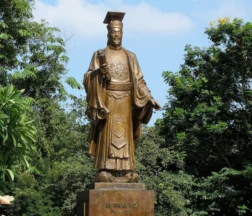
Lý Thái Tổ Monument

Visit the imposing statue of the emperor who established Thăng Long as Vietnam's capital in 1010, a milestone that shaped Hanoi's thousand-year history.

THE STORIES BEHIND HANOI'S MOST MYSTERIOUS MONUMENT

Did You Know?


Six Surprising Facts About Turtle Tower

A Real Giant Turtle Once Lived Here

Hoàn Kiếm Lake was home to a legendary giant softshell turtle affectionately known as Cụ Rùa ("Great-Grandfather Turtle"). Its death in 2016 marked the loss of one of Hanoi's most cherished living symbols.

The Lake Once Had Another Name

Before becoming Hoàn Kiếm Lake, it was known as Lục Thủy, meaning "Green Water," a reference to its distinctive color.

A Favorite of Hanoi's Artists

Turtle Tower has appeared in countless paintings, photographs, souvenirs, and postcards. Its instantly recognizable silhouette has become a visual shorthand for Hanoi itself.

It Was Never a Royal Palace

Despite its ancient-looking silhouette, Turtle Tower was not built for a king. Its construction is associated with a local figure during the French colonial era, rather than an imperial dynasty.

A Flag of Defiance

During the struggle against French colonial rule, Vietnamese revolutionaries reportedly raised the revolutionary flag on Turtle Tower in 1945, turning the small monument into a powerful political symbol.

An Island You Cannot Visit

Unlike Ngọc Sơn Temple, Turtle Tower has no public bridge or visitor entrance. Its isolation has helped preserve its mysterious atmosphere and makes every view of it a view from afar.

SHARE YOUR JOURNEY

CHANGE THE WAY WE ENJOY

#TURTLETOWER

×
×

Panier