
A JOURNEY THROUGH TIME
The Story Behind
Japanese Covered Bridge
Four Centuries of Cultural Exchange
During the 16th and 17th centuries, Hoi An was one of Southeast Asia's most prosperous trading ports. Japanese, Chinese, and European merchants gathered along its bustling waterfront, exchanging silk, ceramics, spices, and precious goods.
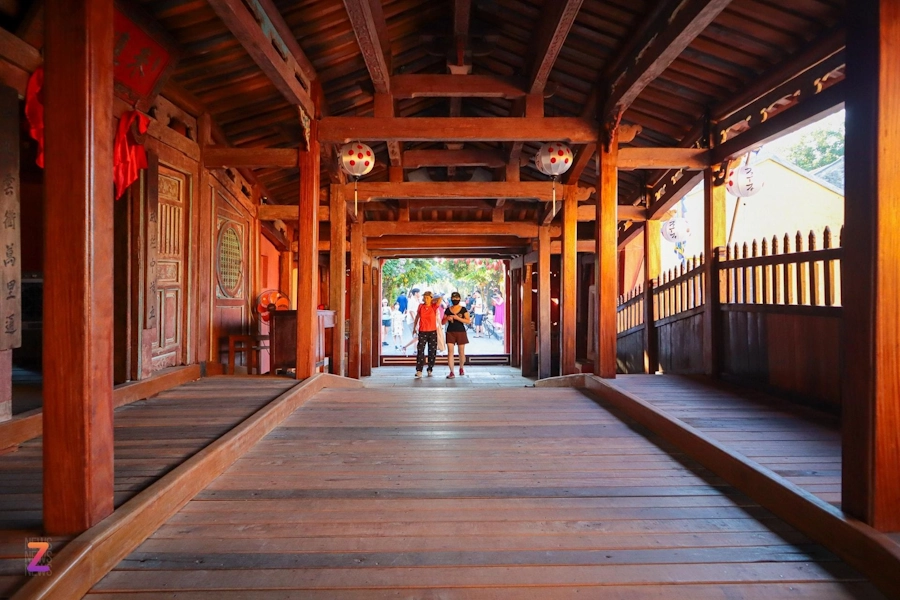
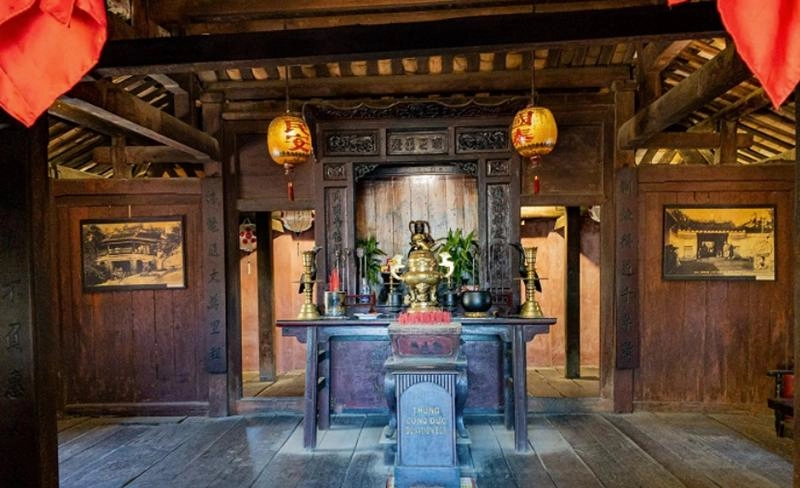
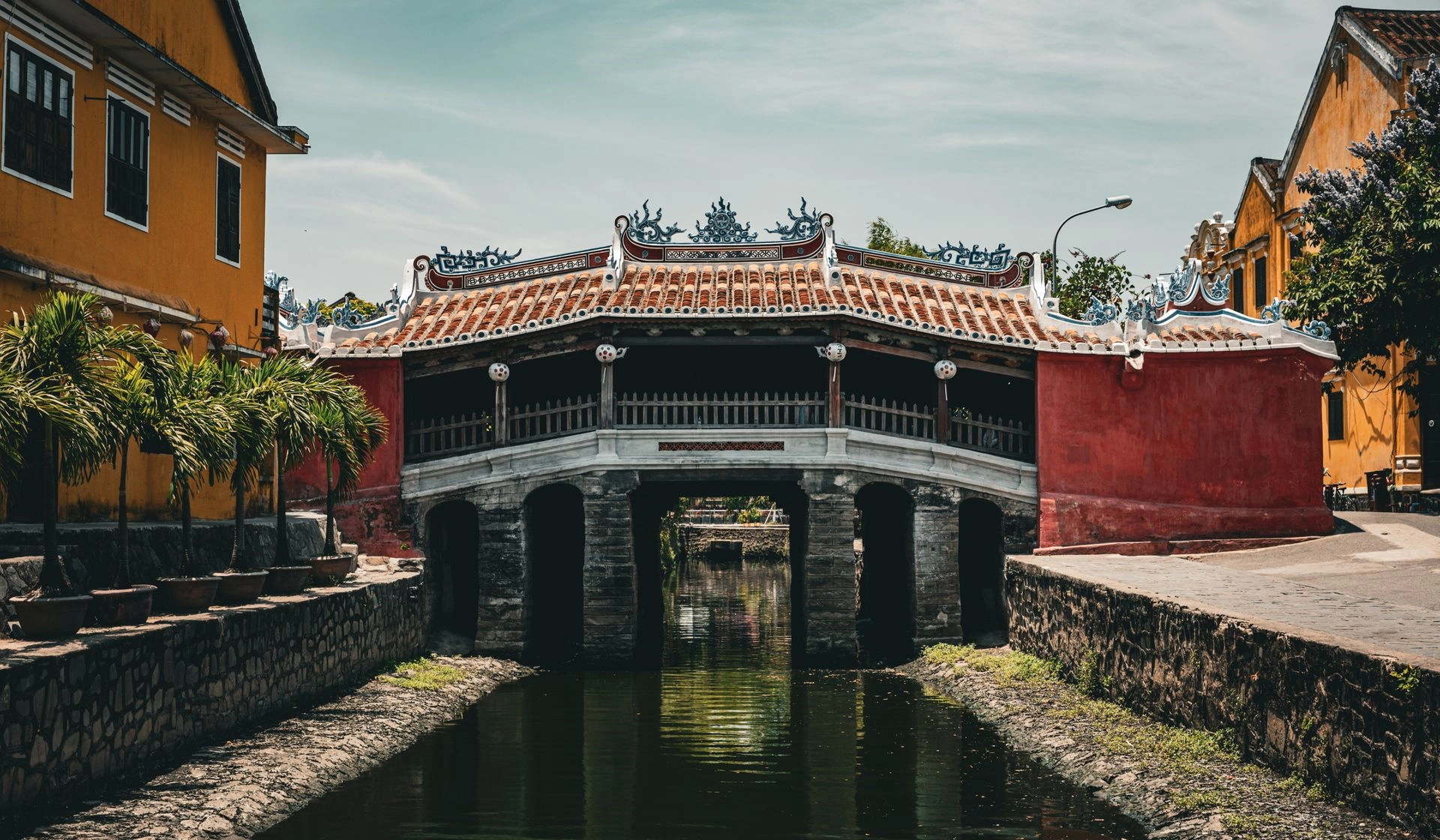
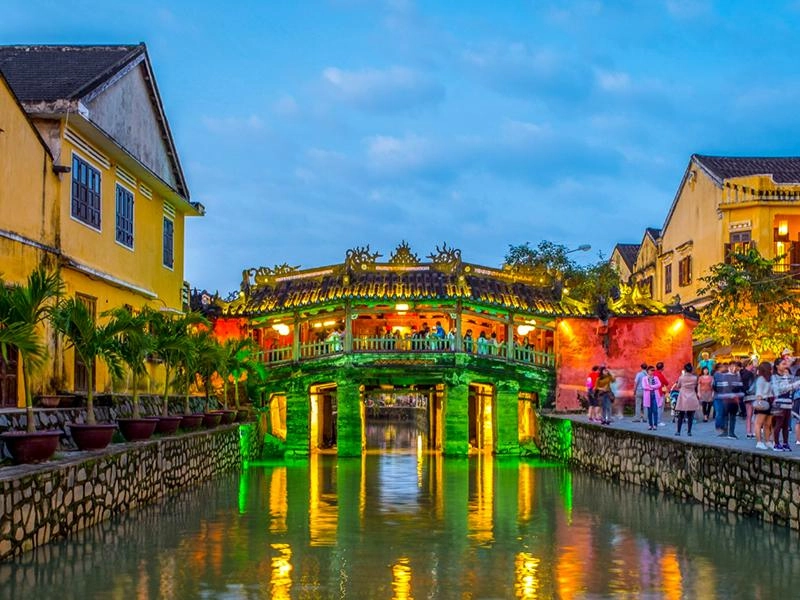
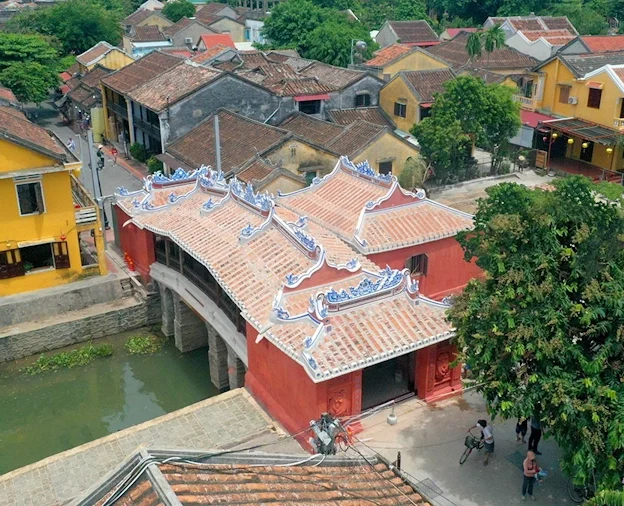
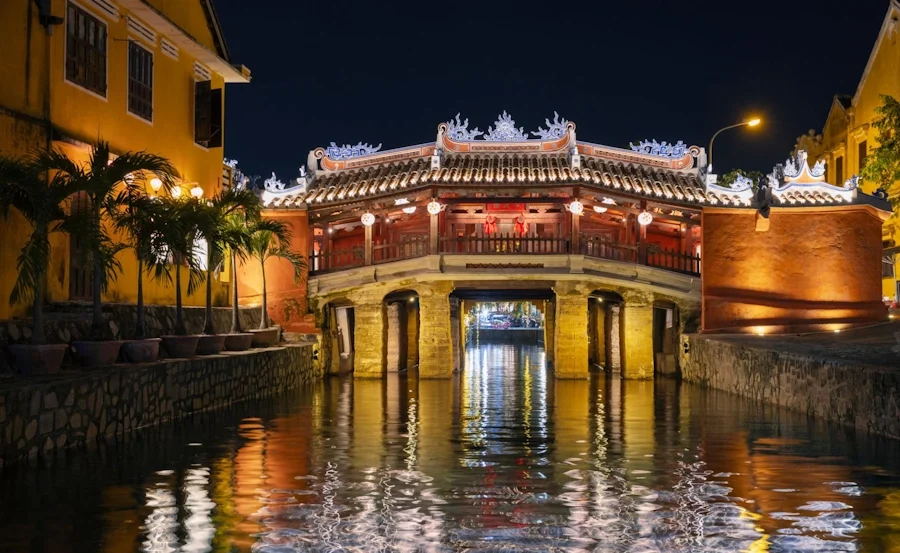
Around the beginning of the 17th century, Japanese merchants constructed a covered wooden bridge across a small waterway, connecting the Japanese and Chinese trading quarters. The bridge soon became more than a practical crossing: it represented cooperation and friendship between distant cultures.
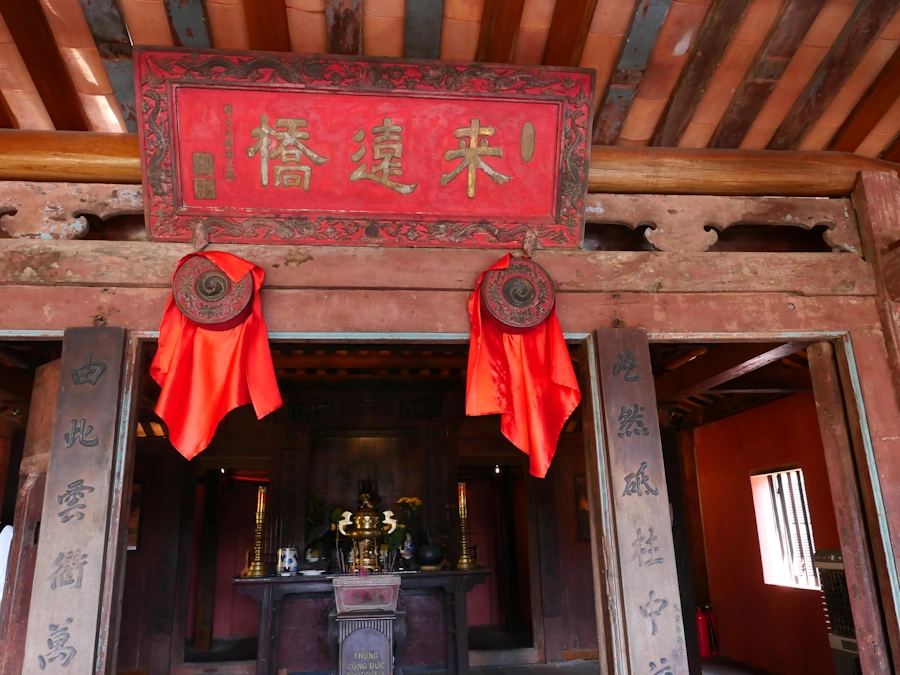
In 1719, Lord Nguyễn Phúc Chu named it Lai Viễn Kiều, meaning "Bridge Welcoming Guests from Afar," celebrating Hoi An's tradition of welcoming international visitors.
Despite centuries of floods, storms, and historical changes, the bridge has survived through successive restorations. Today, it remains the most recognisable landmark of Hoi An's remarkable multicultural past.
Early 1600s ~ Japanese Merchant Settlement.
Japanese merchants establish a covered bridge connecting Hoi An's trading communities.
1719 ~ A Name of Friendship
Lord Nguyễn Phúc Chu names the landmark Lai Viễn Kiều, celebrating visitors arriving from afar.
18th–20th Centuries Preservation
Successive generations repair and maintain the bridge through floods, storms, and structural deterioration.
1999 ~ UNESCO Recognition
Hoi An Ancient Town, including the Japanese Covered Bridge, becomes a UNESCO World Heritage Site.
2024 ~ A new chapter
A major conservation project is completed, safeguarding the landmark for future generations.